
Cervical Length in Pregnancy: What It Is and Why It Matters

Written by Shruti Thapa
Reviewed by Dr. Thongram Biju Singh, MD


Key Takeaways
- Introduction
- Understanding Normal Cervical Length During Pregnancy: Week by Week Variations
- How Cervical Length Is Measured: Techniques and Best Practices
- Interpreting Cervical Length Results: What Is Normal and When to Be Concerned
- Cervical Length and Its Relationship to Normal Delivery and Preterm Birth
- FAQs

Introduction
During pregnancy, the cervix plays one of the most important roles; it acts as the gatekeeper, staying firm and closed until the body is ready for labour. When this balance is disrupted and the cervix shortens too early, the risk of preterm birth increases.
Cervical length is therefore more than just a number on an ultrasound. It offers a window into how the pregnancy is progressing. Regular monitoring gives doctors the chance to spot concerns early and take steps to protect both mother and baby.
In this blog, we’ll explore what cervical length means, how it is measured, the normal range during pregnancy and why it matters for a safe, full-term delivery.
Understanding Normal Cervical Length During Pregnancy: Week by Week Variations
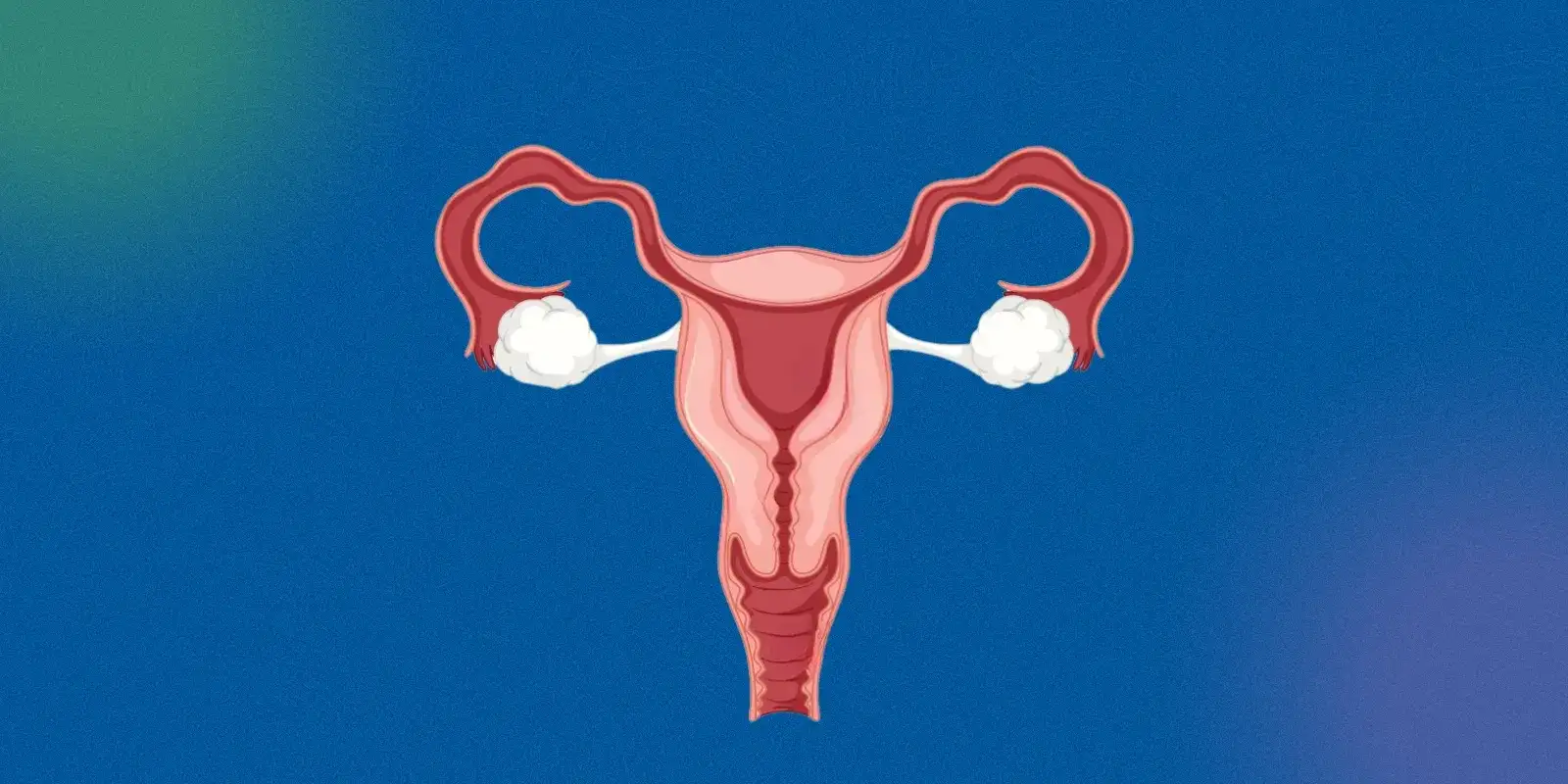
So, what exactly is cervical length in vaginal pregnancy? In simple words, it is the distance between the internal and the external os of the cervix in millimetres. Naturally, the length of the cervix changes during pregnancy. Here is a week-by-week breakdown of the cervical changes:
Week-by-Week Cervical Changes:
- First Trimester (0-12 weeks): Cervix remains long and firm. A normal cervical length in pregnancy typically ranges from 35 to 45 mm.
- Second Trimester (13-27 weeks): Gradual shortening may occur as the body prepares for labour. In a normal pregnancy, cervical length usually stays above 30 mm.
- Third Trimester (28-40 weeks): Cervix begins softening and shortening, particularly approaching term. Normal cervical length during pregnancy for full-term delivery is often between 25 and 40 mm.
Monitoring these changes helps the clinician identify whether the pregnancy is progressing safely. Significant shortening before term can indicate risks such as preterm labour or cervical insufficiency.
How Cervical Length Is Measured: Techniques and Best Practices
The appropriate cervical length is important for reliable monitoring. Transabdominal and transvaginal ultrasound are used in modern obstetrics.
Transvaginal Ultrasound:
- Most preferred method for precise measurement.
- The patient lies with an empty bladder.
- The ultrasound probe is gently inserted into the vagina to visualise the cervix.
- Clinicians measure the distance from the internal os to the external os.
Transabdominal Ultrasound:
- Less accurate and is often used as an initial screening tool.
- Bladder fullness is necessary to improve imaging.
- Usually supplemented with transvaginal measurement if abnormalities are suspected.
Best Practices:
- Use consistent measurement techniques to avoid variation.
- Avoid unnecessary pressure on the cervix during imaging.
- Repeat measurements if unclear or borderline results are observed.
Interpreting Cervical Length Results: What Is Normal and When to Be Concerned
A normal cervical length ensures a lower risk of preterm birth and better outcomes for mother and baby. Knowledge of the thresholds is crucial:
- Normal cervical length during mid-pregnancy: 30-50 mm.
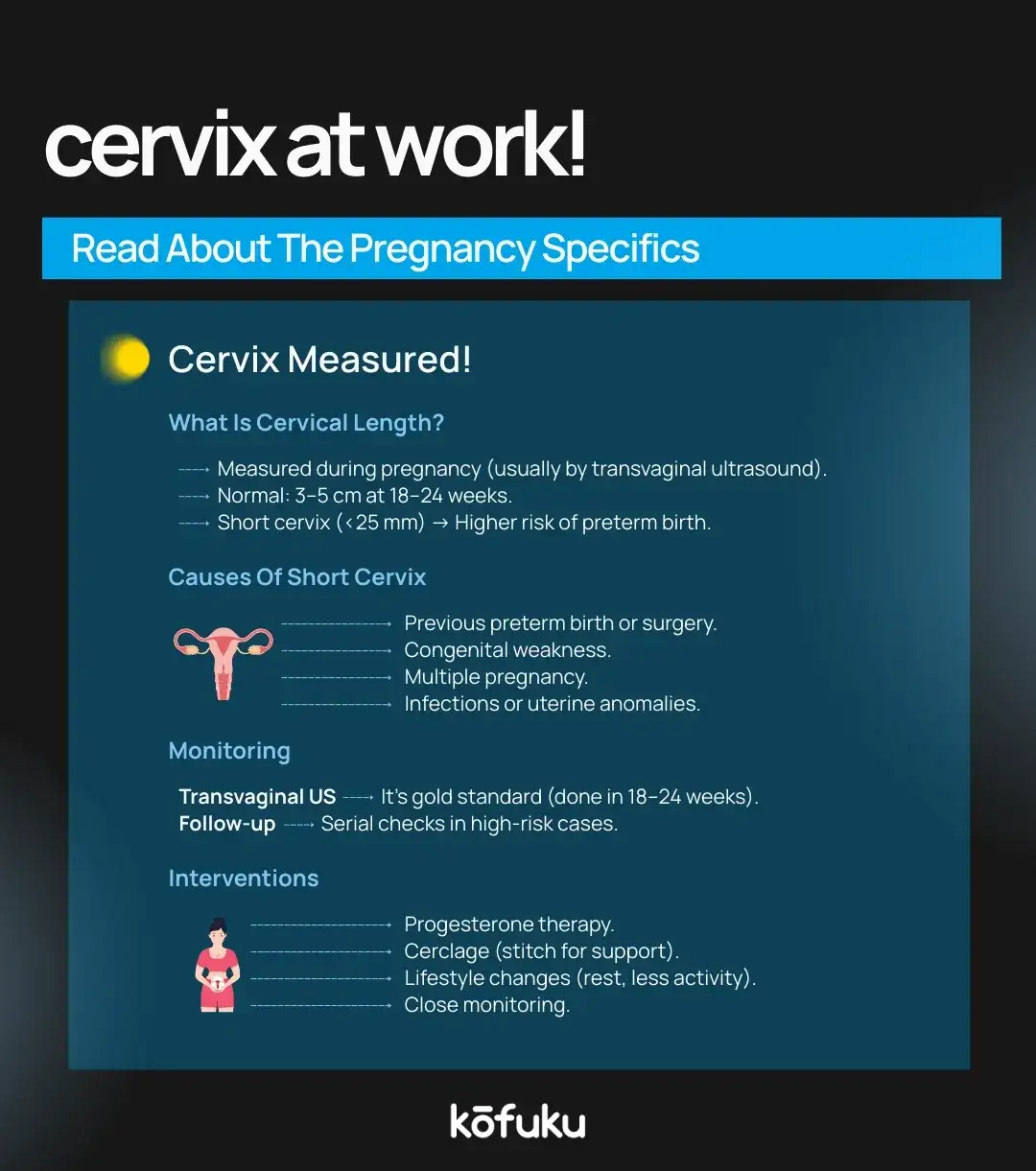
- Shortened cervix: Less than 25 mm before 24 weeks may indicate increased preterm birth risk.
- Prolonged or closed cervix: Above 50 mm is typically normal, but may be monitored for other conditions.
Clinicians also consider cervical shape, presence of funnelling, and the dynamic changes occurring with contractions. Early recognition of the deviations allows interventions, which could be the use of cervical cerclage, the use of progesterone supplements, or lifestyle changes to help in maintaining the pregnancy.

Cervical Length and Its Relationship to Normal Delivery and Preterm Birth
Cervical length for normal delivery is essential for the determination of the readiness of labour. A properly maintained cervical length sustains the birth of a full-term infant but a precariously shortened cervix may require some medical help.
Cervical Length and Term Delivery:
- Normal delivery cervical length at term typically ranges between 25 and 40 mm, allowing gradual effacement and dilation during labour.
- Adequate cervical length reduces the likelihood of complications such as emergency C-sections or prolonged labour.
Cervical Length and Preterm Birth:
- A shortened cervix before 37 weeks increases the risk of preterm birth, which can lead to neonatal complications.
- Regular monitoring and timely intervention improve outcomes, highlighting why understanding normal cervical length in pregnancy is crucial for obstetric care.
Monitoring Cervical Length Over Pregnancy: Frequency and Indicators for Intervention
Follow-up allows keeping track of the changes in the cervix and detecting the early symptoms of complications.
- Routine monitoring: Often done between 16-24 weeks, especially in women with a history of preterm birth or cervical surgery.
- High-risk pregnancies: More frequent assessments may be recommended.
- Indicators for intervention: Cervical length below 25 mm, funnelling, or rapid shortening may prompt procedures like cerclage or medical therapy.
Monitoring cervical length in pregnancy enables clinicians to implement advanced measures to prevent early labour and foster normal and full-term childbearing.
FAQ
Cervical length in pregnancy is the measurement of the cervix from the internal to the external os. It indicates pregnancy health, helps predict preterm birth risk, and guides delivery planning.
Normal cervical length during pregnancy typically ranges from 35-45 mm in the first trimester and above 25-30 mm in the second trimester, ensuring a lower risk of preterm labour.
Cervical length is measured using transvaginal or transabdominal ultrasound. The distance from the internal to external os is recorded, with transvaginal imaging providing the most accurate results.
The normal delivery cervical length generally ranges between 25 and 40 mm at term, supporting proper effacement and dilation for safe, full-term vaginal delivery.
Yes, cervical length changes week by week, remaining long and firm in early pregnancy, gradually shortening in the third trimester as the body prepares for labour.
A short cervical length indicates potential risk of preterm birth or cervical insufficiency. Early detection allows interventions to support pregnancy and improve outcomes for both mother and baby.
Yes, a shortened cervix before 37 weeks increases preterm birth risk. Monitoring and timely intervention, like cerclage or progesterone therapy, help reduce complications.
High-risk pregnancies may require cervical length monitoring every 2-4 weeks from 16-24 weeks. Low-risk pregnancies may only need routine checks based on clinical judgement.
Here's what people are reading

Your guide to allergy medications: tablets, creams, and remedies

Why smoking a cigarette before or after your workout can harm your gains

Why jackfruit is good for you: nutrition, benefits, and how to enjoy raw and cooked jackfruit

Why are there epithelial cells in my urine? meaning & causes

What to know about hiv wasting syndrome