
Flaxseed (Linseed): Nutrition Facts, Health Benefits & Uses

Written by Rayomand S Engineer
Reviewed by Dr. Pankaj Sharma, MD


Key Takeaways

Introduction
You may be wondering why fitness advocates in India and around the world are raving about these tiny brown and golden seeds, which top their breakfast bowls or are blended into their smoothies.
The seeds, also known as flaxseed or linseed, have gained popularity in modern diets due to their outstanding nutritional quality and numerous health benefits.
But how can you incorporate them into your everyday life? Let us take a look at the crucial aspects of this super seed.
What Is Flaxseed? (Linseed): From Farm to Table
Flaxseed (or linseed) is an oilseed of the flaxseed plant, a flowering plant grown to supply its seeds and fibres. Grown in India and other parts of the world, this plant is cultivated in cooler regions and produces golden-brown coloured seeds.
The seeds can be eaten whole, powdered into flaxseed powder, or processed into flaxseed gel, which has both culinary and cosmetic uses. New technologies in farming yield flaxseeds organically, offering consumers pesticide-free solutions to their health-conscious endeavors.
The farmers are aware of the rate of flaxseeds required to produce good quality produce in the market, hence the fact that flaxseeds are available in both organic and conventional choices extensively in the market.
Flaxseed Nutrition Facts: What Makes It Special?
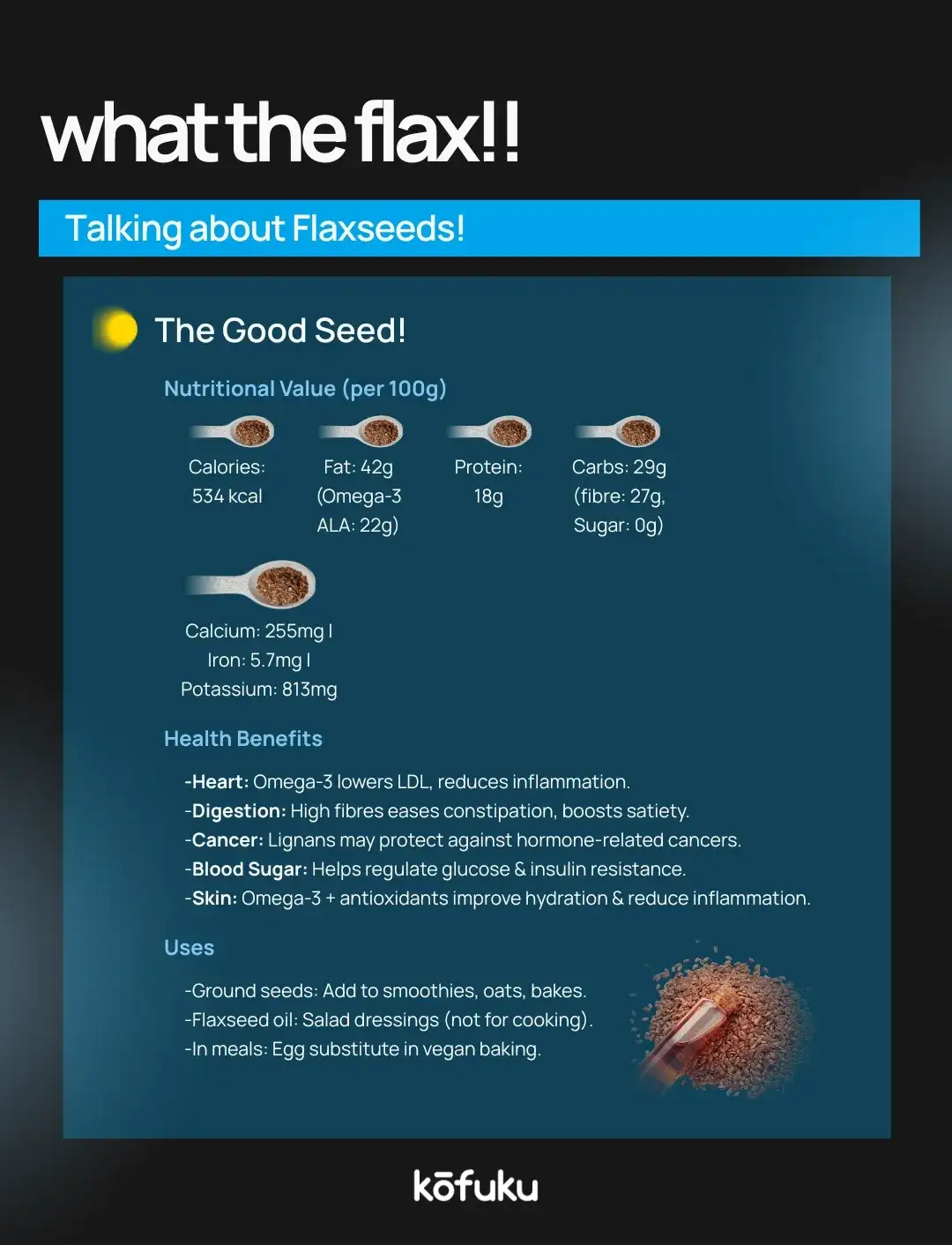
Understanding the nutritional facts of linseed seeds is key to appreciating why they have gained such prominence. 28 grams (about two tablespoons) of flaxseeds contain:
- Calories: 150
- Protein: 5.2 g
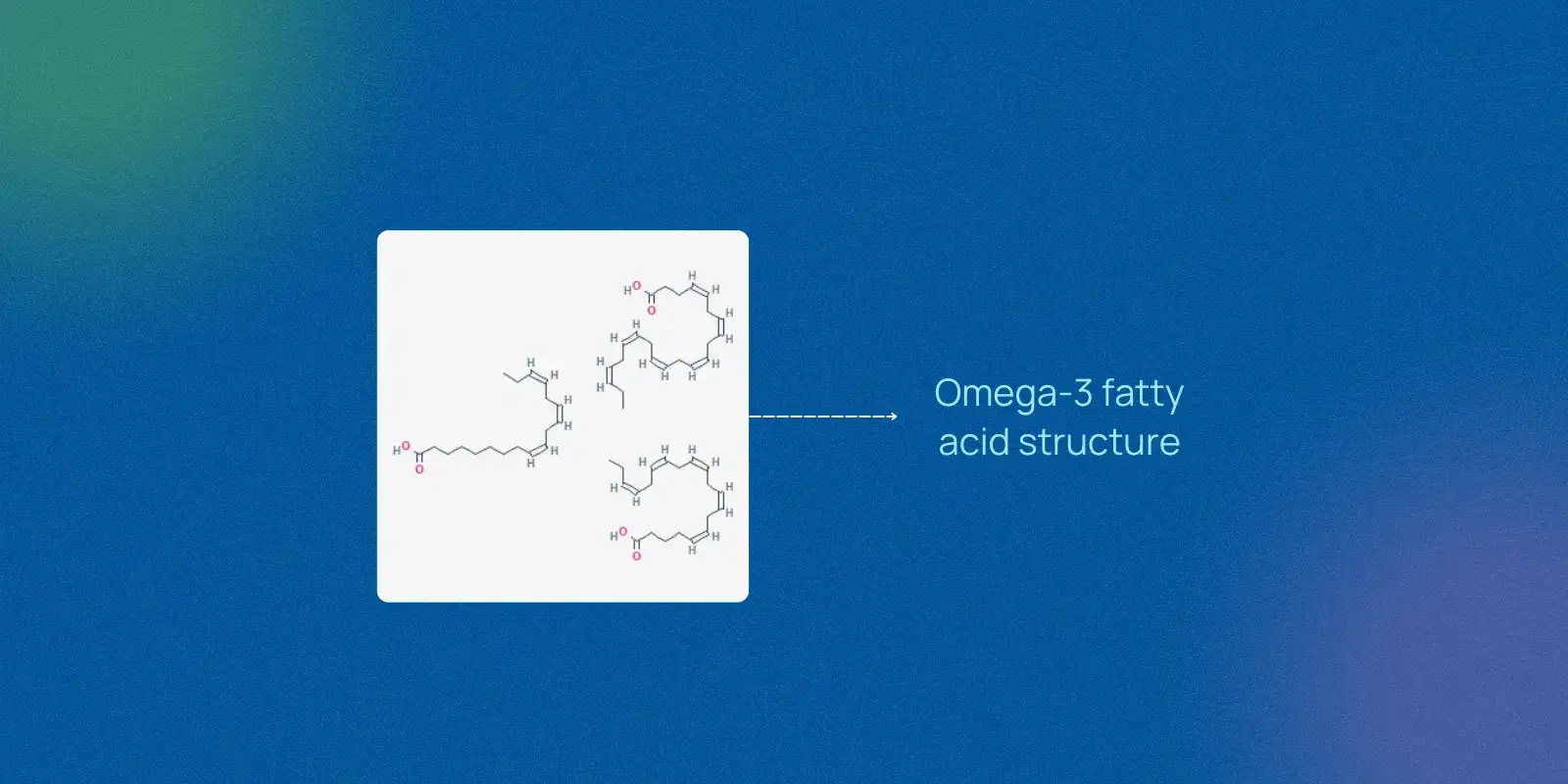
- Fat: 12 g (mostly healthy omega-3 fatty acids)
- Carbohydrates: 8 g
- Dietary Fibre: 7.7 g
- Vitamins & Minerals: Manganese, magnesium, phosphorus, and vitamin B1
Flax contains high omega-3 levels, lignans, and fibre, which makes flaxseed a functional food that maintains heart health, digestion, and belly balance.
Key Health Benefits of Flaxseed (Linseed) Seeds
Flaxseed Benefits on Skin (And Hair)
Among the strongest arguments for incorporating flaxseeds into skin and hair care strategies is their natural abundance of fatty acids and antioxidants. Flaxseed has an advantage for the skin due to its rich content of fatty acids.
- Enhancing moisture retention and elasticity
- Reducing inflammation and redness
- Helping combat acne and blemishes
Individuals also apply flaxseed gel to hair to add shine, decrease frizz, and strengthen the strands. Flaxseed benefits for skin can be seen by regular inclusion into the diet, leading to glowing and improved skin texture in the long run.
How to Eat Flaxseed Seeds: Whole, Powder, Gel & More
There are many ways to incorporate linseed into daily meals.
- Whole seeds: Can be sprinkled over cereals or yoghurt
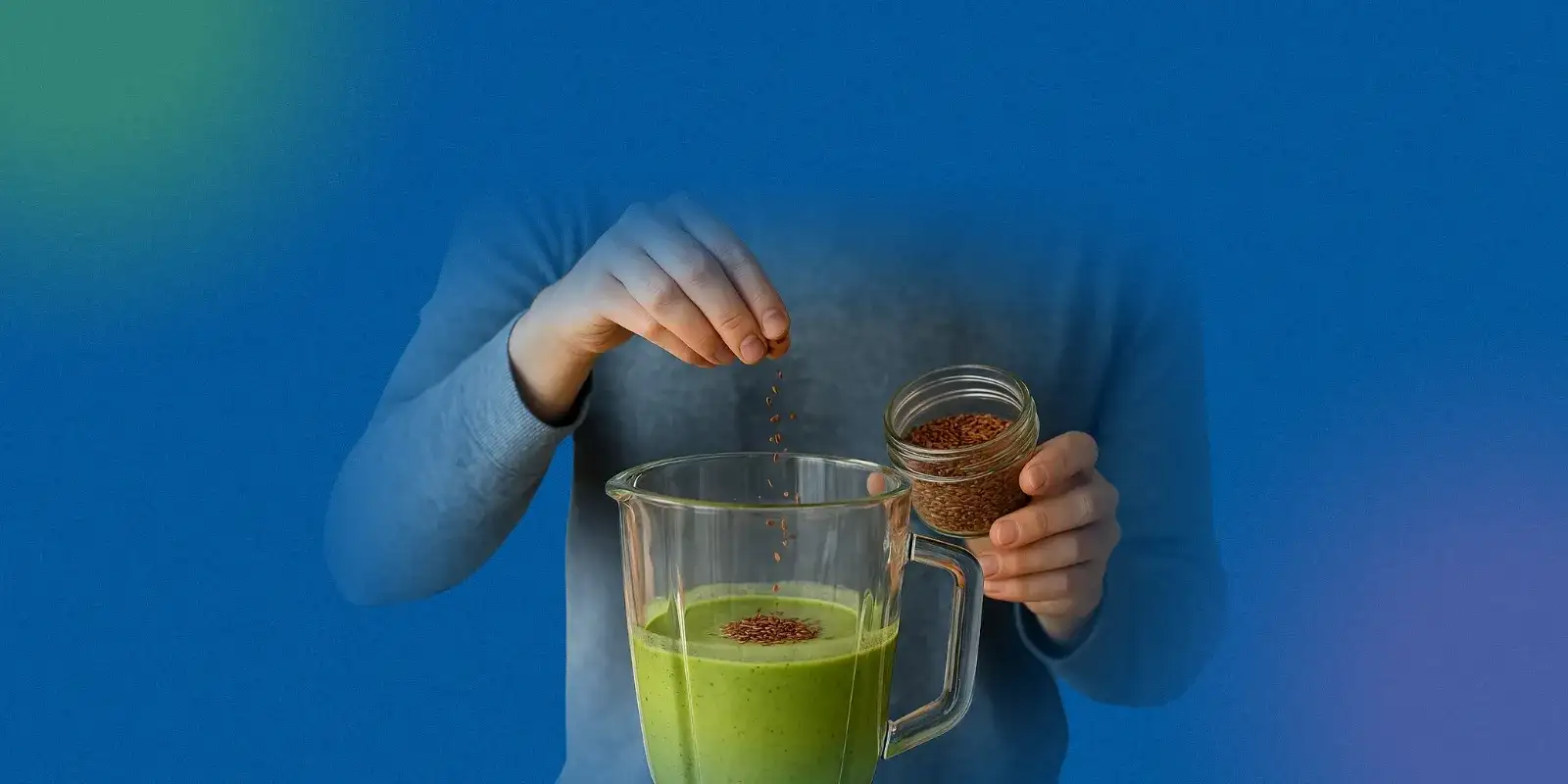
- Flaxseed powder: Easily added to smoothies, porridge, or baked goods
- Flaxseed gel: Prepared at home for cosmetic use on skin and hair
- Flaxseed chutney: Ground seeds blended with spices create a flavorful condiment
Flaxseed Chutney & Other Easy Recipes
Flaxseed chutney powder is widely used in Indian homes, where roasted seeds are powdered with garlic, red chilli & spices. It can be served with chapatis or mixed in rice plates. Another easy-to-make recipe is flaxseed chutney, in which freshly ground seed is combined with lemon juice, along with herbs for a healthy dip.
Flaxseed and Chia Seeds: Should You Combine Them?
Combining flaxseed and chia seeds is recommended by many nutritionists to maximise the intake of omega-3 fatty acids and fibre. This combination is beneficial when added to smoothies, oats, or salads to enhance feelings of fullness, promote digestive health, and support heart health.
Flaxseed During Pregnancy: What Should You Know?
Pregnant women often wonder about flaxseeds and pregnancy, or whether they can safely include flaxseed in their diet.
- Benefits: Rich in omega-3s for fetal brain development, dietary fibre for gut health, and antioxidants for overall wellness
- Moderation is key: Excessive consumption may have mild laxative effects
- Forms: Whole seeds, flaxseed powder, or flaxseed chutney are safe in reasonable amounts
Eating flaxseed during pregnancy or eating flax fruit promotes the health of both mother and fetus when incorporated as part of a healthy, balanced diet.
When to Go to the Doctor:
- If you have recently travelled to an area reporting Mpox cases;
- If you develop unexplained rash or flu-like symptoms;
- If you have had close physical contact with a person who is infected.
High-risk groups, such as young children, pregnant women, or people with underlying medical conditions that result in immunocompromised systems, are more vulnerable to contracting Mpox.
Individuals in these groups should seek medical care as soon as they notice any symptoms, especially if they have travelled internationally or have been exposed to someone who has Mpox.
Due to the rising health consciousness, consumers tend to prefer organic flaxseed over the conventional version. Organic flaxseed is grown without pesticides and synthetic fertilizers, making it a good solution for pregnant women, children, or anyone interested in chemical-free food.
Whether you buy flaxseed organic or conventional, look for:
- Freshness (recent harvests)
- Proper storage to prevent rancidity
- Quality seals for organic certification
FAQ
Flaxseed and linseed are essentially the same. Linseed is commonly used in industrial contexts, while flaxseed refers to the edible and nutritional forms used for consumption and health benefits.
For best results, grind flaxseed seeds before consumption. Add to smoothies, cereals, or flaxseed chutney, or mix with water or yoghurt. Ground seeds enhance the absorption of omega-3 fatty acids, lignans, and fibre compared to whole seeds.
Flaxseed gel is made by boiling flaxseed powder in water until a gel-like consistency forms, then cooling it. Apply topically to skin and hair to moisturise, reduce inflammation, and improve elasticity, leveraging natural flaxseed benefits for skin.
Flaxseed benefits for the skin include hydration, anti-inflammatory properties, and potential for reducing acne. For hair, flaxseed gel improves shine, reduces breakage, and strengthens strands. Omega-3s and antioxidants in flaxseed can improve the appearance of skin and hair, enhancing overall well-being.
Yes, flaxseed powder provides the same nutrients as whole seeds, but with higher bioavailability. Grinding improves the absorption of omega-3s, lignans, and fibre, making flaxseed powder or flaxseed chutney powder more effective for health benefits than consuming whole seeds.
Organic flaxseeds are grown without pesticides or synthetic fertilisers, and as such are safer, especially for pregnant women and children. Organic seeds can also reduce chemical exposure and support sustainable farming practices but may be expensive than regular, despite the same nutritional benefits.
Flaxseed nutrition facts for 2 spoon (about 28 grams) include high levels of omega-3 fatty acids, 5g of protein, 7–8g of fibre per 28g, and minerals such as magnesium and phosphorus. They provide antioxidants, support heart health, digestive function, and skin benefits, making them a nutrient-dense superfood.
Flaxseeds are generally safe in pregnancy, especially when consumed in moderate amounts. They provide essential omega-3 fatty acids, fibre, and antioxidants. Limit your intake to avoid mild laxative effects, and opt for organic flaxseed to minimize chemical exposure during.
The flaxseed rate varies depending on quality, brand, and whether it is organic. In India, prices range from INR 150 to 300 per kilogram for regular seeds. Organic flaxseeds often cost slightly more due to their chemical-free cultivation.
Here's what people are reading

Your guide to allergy medications: tablets, creams, and remedies

Why smoking a cigarette before or after your workout can harm your gains

Why jackfruit is good for you: nutrition, benefits, and how to enjoy raw and cooked jackfruit

Why are there epithelial cells in my urine? meaning & causes

What to know about hiv wasting syndrome