
Contagion
Contagious diseases are illnesses that can spread from one person to another, either directly or indirectly. The term “contagious” refers to the ability of a disease to be transmitted between people, sometimes quickly and across large populations. These diseases are generally caused by infectious agents such as viruses, bacteria, fungi, or parasites. Understanding how contagious diseases spread is important because it helps individuals and communities take appropriate measures to reduce transmission and protect public health. Contagious diseases can spread through several different routes. Some infections are transmitted through direct physical contact with an infected person, while others spread through respiratory
7Blogs

This another pandemic possible ?
Heard about the incident happened in Russia regarding the plague. hope everything is under control ?


Like
0
1
1


Vikrant Br..
Vikrant Br..
25 days ago
Chickenpox at 48. My son brought it home from school and I never had it as a child.

My 16 year old came back from school on Monday with a fever and by Wednesday the spots had started. Doctor confirmed chickenpox. He is at home,
...Show MoreLike
0
0
1
1
Contagion Insights
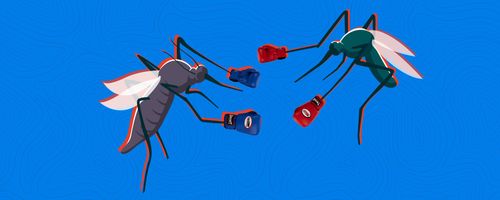
Dengue vs. Zika: Key Differences and Prevention Tips
Compare Dengue and Zika viruses, their symptoms, transmission, and prevention to protect yourself from these mosquito-borne diseases. Read now!
Contagion13 Dec 20255 min read

Understanding Rabies Vaccine Intramuscular Route for Dog Bites
Rabies vaccine via intramuscular route ensures effective protection after dog bites. Learn dosage, schedule, and importance of timely vaccination to prevent this deadly, preventable viral disease.
Contagion10 Feb 20266 min read

Right Arm or Left Arm? How Does the Efficacy of Vaccines Depend on Which Arm It Was Injected In?
Does it matter if you get vaccinated in your right or left arm? Discover the latest research on how arm choice may affect vaccine effectiveness, booster shots, and immune response.
Contagion19 Jan 20267 min read
Chickenpox at 48. My son brought it home from school and I never had it as a child.
My 16 year old came back from school on Monday with a fever and by Wednesday the spots had started. Doctor confirmed chickenpox. He is at home,
...Show MoreLike
0
0
1
1

Four dengue cases in our village this month. The fogging van came once.
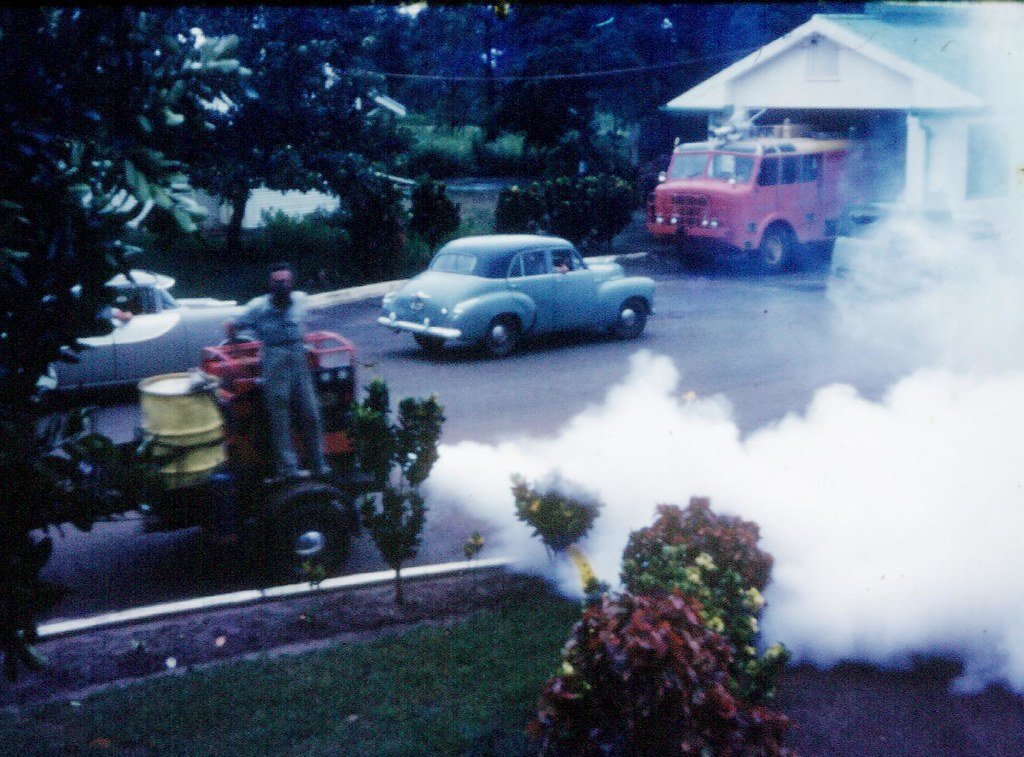
Two houses away, a 12 year old was admitted to Amritsar civil hospital last week with platelets very low. He is better now. But this is the
...Show MoreLike
0
1
1

Needlestick injury last week. Testing is done, but the waiting is the worst part
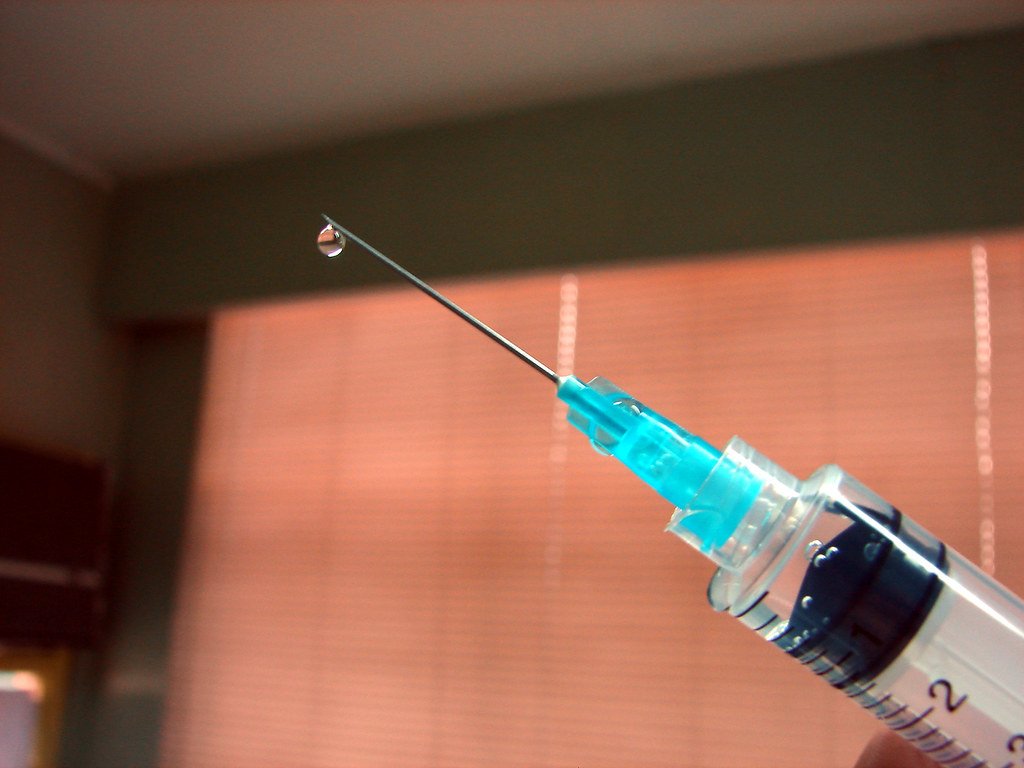
It happened at 4 am while recapping, which we are trained never to do and which everyone does when they are tired. The patient's status was unknown
...Show MoreLike
0
0
0

I work in a hospital. What do I actually need to do so I do not carry infections home to the twins?

The pharmacy counter is in the OPD block. In a normal night I hand medicines to people with every cough and fever in Lucknow. During the current
...Show MoreLike
0
0
0

half my hostel floor has conjunctivitis. am i just gonna get it?

started with 2 guys last week. now like 15 out of 30 rooms on my floor have red eyes and the warden has done nothing except put
...Show MoreLike
0
0
0
My old flatmate had TB last year and was treated. Should I still get checked?
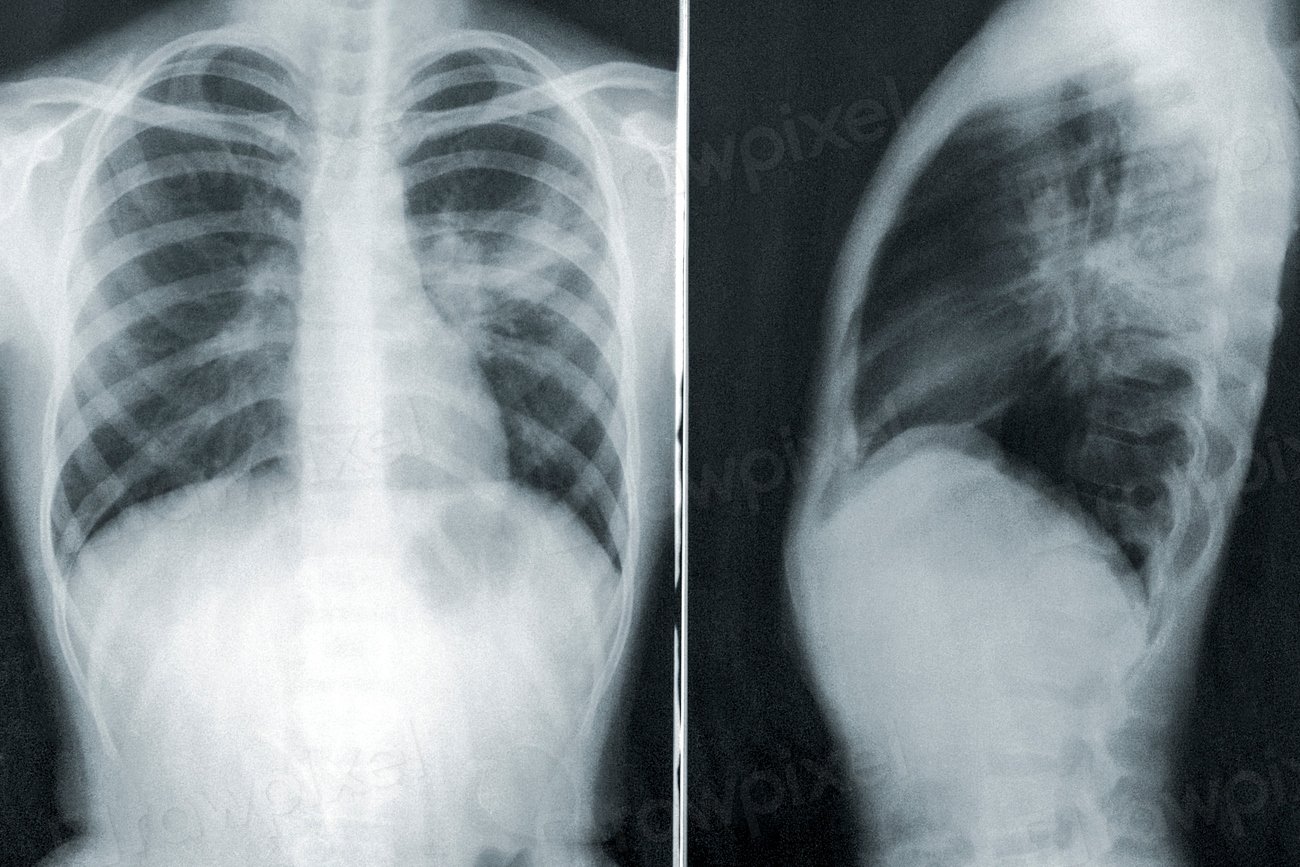
He was diagnosed with pulmonary TB in July last year while we were sharing a flat. He completed his six months of treatment and his doctor declared
...Show MoreLike
0
0
0

Whole shop staff down with viral fever one after another. How do I break the chain?
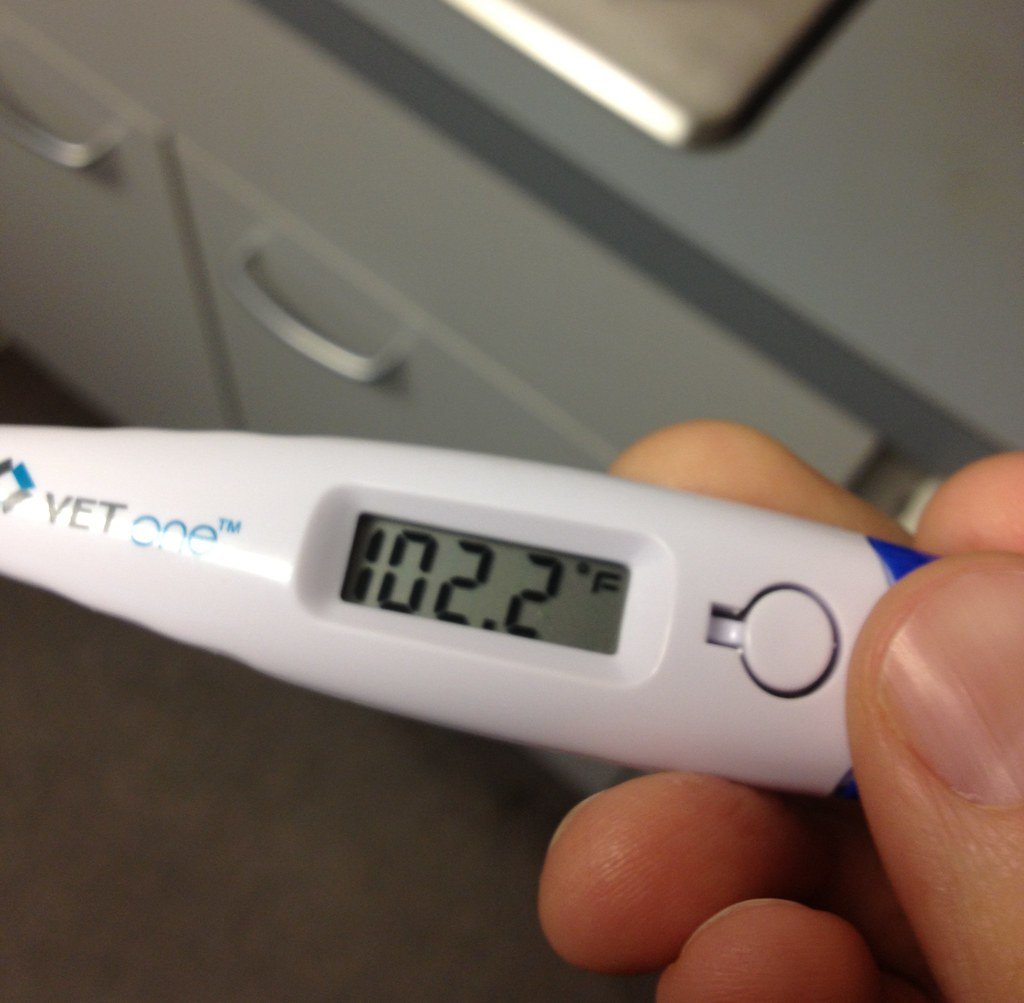
Started with one boy at the counter two weeks ago. Now 6 out of 9 staff have had it, fever, body pain, cough. They take two days
...Show MoreLike
0
0
0

Dengue admissions at our hospital have doubled in three weeks. What actually works at home?
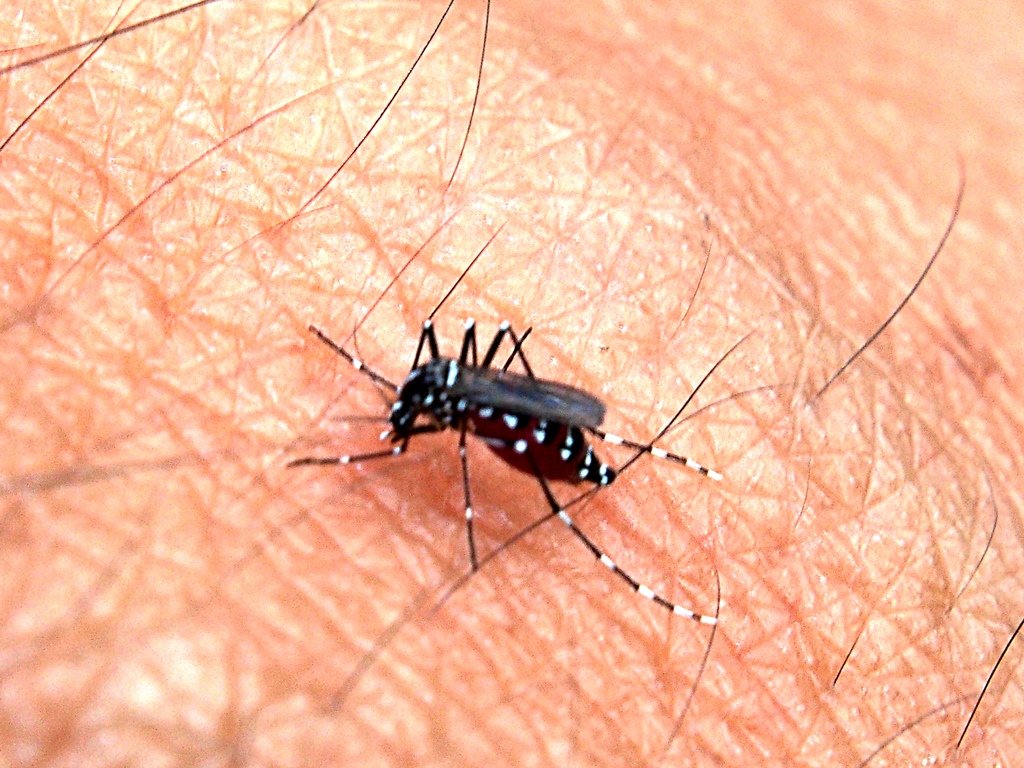
We are in the middle of the seasonal dengue rise and the medicine wards are overflowing. As a final year student I am mostly counting platelets and
...Show MoreLike
0
0
0