Understanding Polycystic Ovary Syndrome (PCOS): Causes and Overview

Written by Shubhechhya Mukherjee
Reviewed by Dr. Thongram Biju Singh, MD


Key Takeaways
- Introduction
- Recognising Polycystic Ovary Syndrome Symptoms and When to Seek Help
- What Does Polycystic Ovary Bilateral Mean? Understanding Ovarian Changes
- Polycystic Ovary Syndrome Ultrasound: Criteria and Differences from Normal Ovaries
- Testing for PCOS Online and In-clinic: What You Should Know
- Treatment of Polycystic Ovary Syndrome: Lifestyle Changes and Medical Options
- The Role of Spironolactone in Managing Polycystic Ovary Syndrome
- Natural Ways to Improve Fertility and How to Get Pregnant with PCOS
- When to Consult a Polycystic Ovarian Syndrome Specialist
- FAQs

Introduction
Have you ever thought about why so many young women in India and the rest of the world today complain about irregular periods, problems with their weight, or the sudden change in the appearance of their hair?
In most instances, these are prognostic signs of polycystic ovary syndrome (PCOS), one of the prevalent hormonal disorders among women of reproductive age.
Although the condition is no longer a secret, it remains shrouded in confusion, myths, and late diagnoses. Being aware of its causes, symptoms, and treatment options can become a lifesaver for women.
Recognising Polycystic Ovary Syndrome Symptoms and When to Seek Help
First of all, to get to know PCOS is to understand its symptoms. The condition most often starts immediately after puberty, but some women may not realise symptoms until their 20s or 30s.
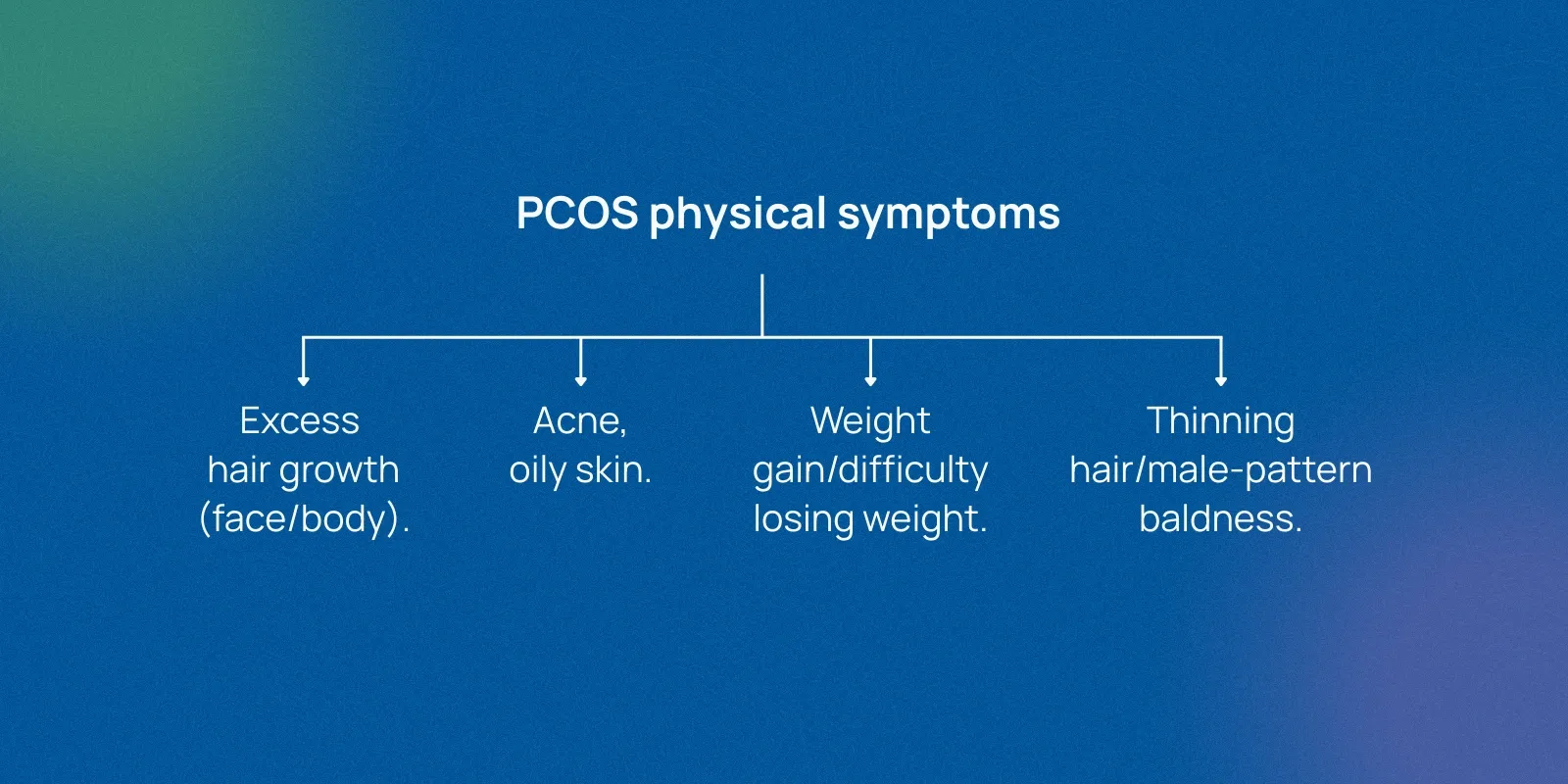
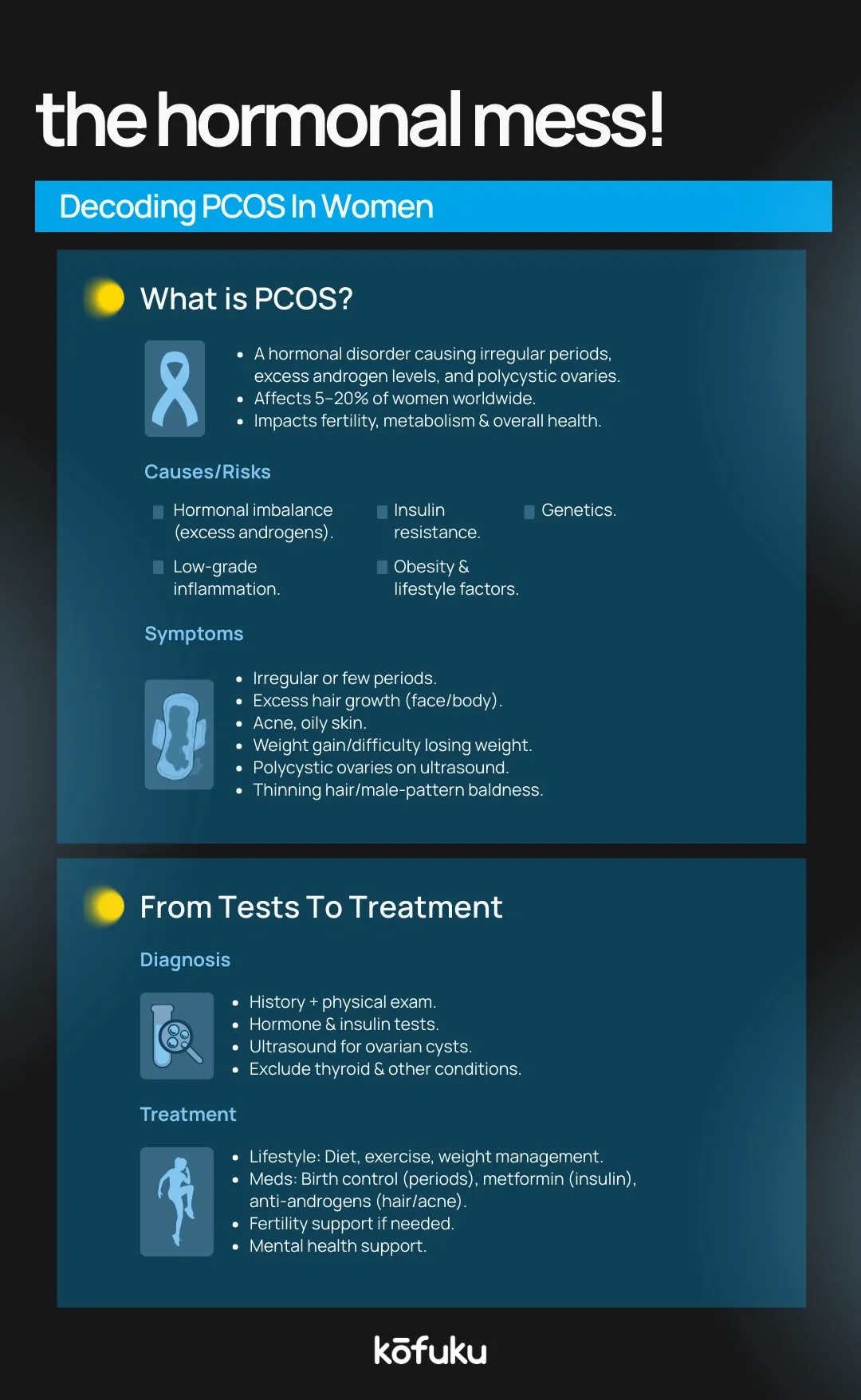
Common polycystic ovary syndrome symptoms include:
- Irregular or missed menstrual periods.
- Excessive hair growth on the face, chest, or abdomen (hirsutism).
- Weight gain, especially around the abdomen.
- Oily skin and persistent acne.
- Thinning hair on the scalp.
- Difficulty conceiving.
PCOS has also been associated with insulin resistance, and as a result, predisposes women to type 2 diabetes, elevated cholesterol levels, and high blood pressure.
The signs are inconsistent and, therefore, a majority of women often get late treatment. Early treatment of polycystic ovary syndrome symptoms with the help of lifestyle modifications and medicine could significantly impact the long-term outlook.
Irregular periods should be checked with a gynaecologist or an endocrinologist specialising in polycystic ovarian syndrome when they frequently become irregular or if you’re worried about fertility.
What Does Polycystic Ovary Bilateral Mean? Understanding Ovarian Changes
Many women get acquainted with the term polycystic ovaries during the ultrasound examination. In simple terms, this means that both ovaries have the classic signs of PCOS; many small fluid-filled tubes (follicles) all at the edge of the ovary.
These cysts by themselves are not dangerous, but are an indication of an underlying hormonal imbalance in which the ovaries are producing more androgens (male hormones) than usual. This interrupts ovulation, causing a challenge with fertility and regular cycles.
Bilateral finding is also a common phenomenon among women living with PCOS and should not be confused with life-threatening development of growths or tumours. Instead, they are just signs on which a doctor bases a diagnosis, together with other clinical symptoms and tests of the hormones.
Polycystic Ovary Syndrome Ultrasound: Criteria and Differences from Normal Ovaries
One of the most commonly used diagnostic tools to rule out PCOS is an ultrasound. Understanding the difference between a polycystic ovary syndrome ultrasound vs a normal one is crucial in ensuring you get prompt treatment.
Ultrasound criteria for PCOS (Rotterdam criteria):
- Each ovary shows 12 or more small follicles (2-9 mm in diameter).
- Increased ovarian volume (more than 10 cm³).
- Follicles are often arranged like a “string of pearls” on the outer edge.
On the other hand, regular ovaries have fewer follicles, and a normal ovulation process occurs in them.
Women with PCOS need to understand that not all cysts on the ovary imply that they have PCOS. Functional cysts are persistent, and most of them are harmless. Therefore, it is significant that a qualified radiologist or gynaecologist should make a proper interpretation.
Testing for PCOS Online and In-clinic: What You Should Know
As the digital healthcare landscape expands in India, many are introducing online test packages for polycystic ovary syndrome. These normally consist of:
- Hormonal assays (LH, FSH, testosterone, prolactin).
- Thyroid function tests.
- Fasting glucose and insulin resistance markers.
Although convenience is a major factor in using online tests, especially in major centres, clinical assessment is also necessary.
Exams, symptoms, and ultrasound pictures are always important to have a credible diagnosis. Females should not make self-diagnosis based on the online reports, but visit a doctor who can put the results of the tests in perspective.
Treatment of Polycystic Ovary Syndrome: Lifestyle Changes and Medical Options
PCOS has to be managed using a multi-pronged approach that is unique to each symptom and individual objectives.
Lifestyle modifications:
- Dietary changes: Reducing refined carbohydrates, sugary drinks, and processed foods while increasing fibre, lean protein, and healthy fats helps improve insulin sensitivity.
- Exercise: Regular physical activity, including cardio and strength training, supports weight management and hormone balance.
- Stress management: Practices like yoga, meditation, and mindfulness can help regulate hormonal fluctuations.
Medical treatment options include:
- Oral contraceptives: To regulate menstrual cycles and reduce excess hair growth.
- Metformin: Improves insulin resistance and aids in restoring ovulation.
- Fertility treatments: For women trying to conceive, ovulation-inducing medicines such as clomiphene or letrozole are commonly prescribed.
The earlier the polycystic ovary syndrome symptoms are treated, the fewer chances they have of causing complications like infertility, diabetes, and cardiovascular disease.
The Role of Spironolactone in Managing Polycystic Ovary Syndrome
Spironolactone, an anti-androgen, is one of the drugs often administered in the treatment of PCOS. It aids in preventing excess stuffed hairs, acne, and hair thinning of the scalp as it inhibits the action of male hormones.
Drugs that are often used together to treat polycystic ovarian syndrome effectively include spironolactone and oral contraceptives. However, it cannot be used in pregnancy, and women taking the medicine should use caution. Kidney function and electrolyte monitoring should be frequent because this medication elevates potassium.
Natural Ways to Improve Fertility and How to Get Pregnant with PCOS
Conceiving is the greatest challenge for many women who have PCOS. The good news is that lifestyle interventions can commonly have the effect of restoring ovulation naturally.
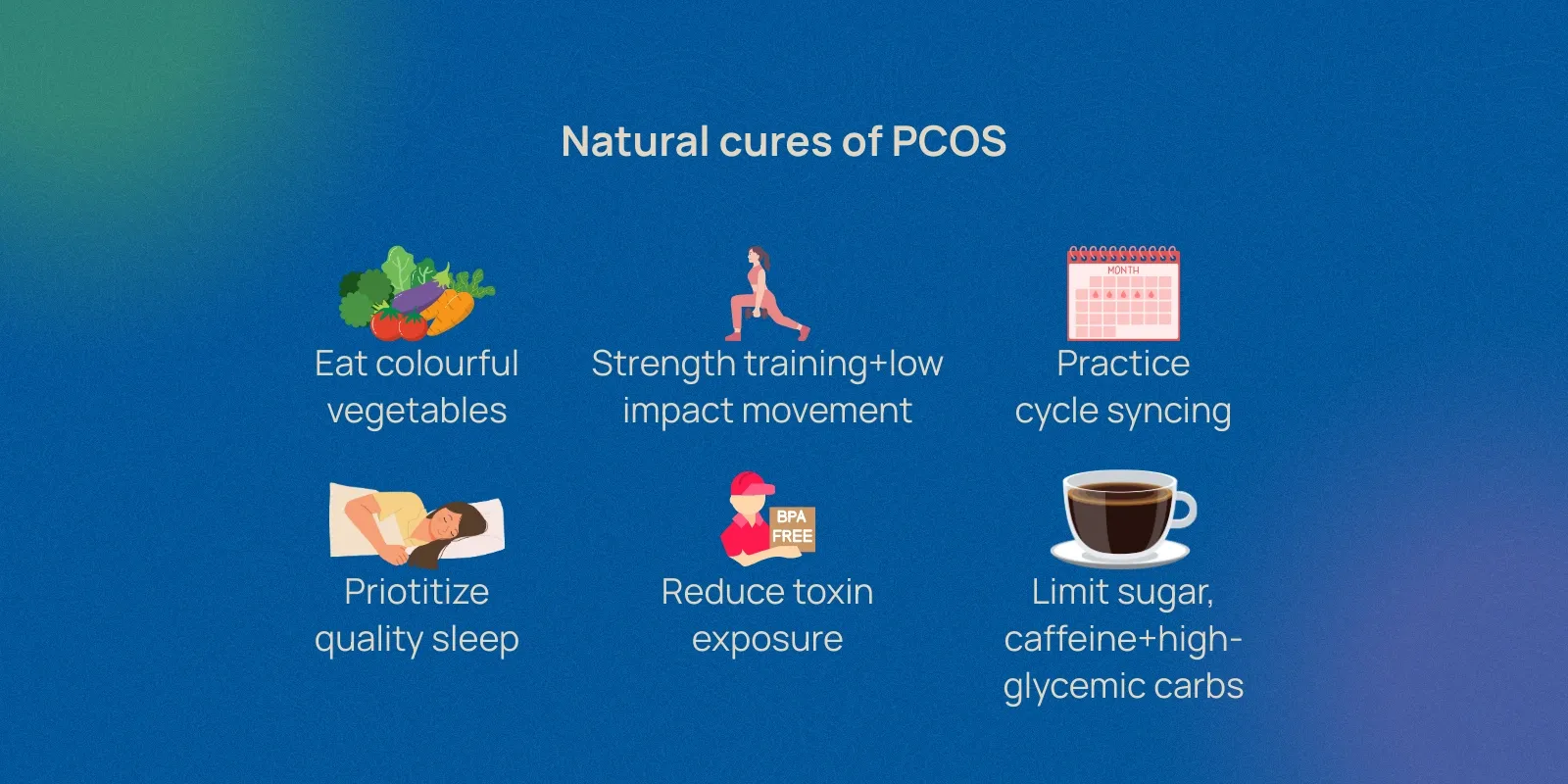
Here’s how to get pregnant with polycystic ovaries naturally:
- Weight management: Even a 5-10% weight reduction can improve ovulation rates.
- Balanced diet: Emphasis on low glycaemic index foods supports hormonal balance.
- Exercise: Consistent routines improve insulin sensitivity and reproductive outcomes.
- Tracking ovulation: Using basal body temperature or ovulation kits can help identify fertile windows.
In cases where lifestyle modification is not active, fertility treatment under a polycystic ovarian syndrome expert is very efficient.
When to Consult a Polycystic Ovarian Syndrome Specialist
Women are encouraged to obtain medical attention in case of regular, inconsistent periods, blotchiness related to excess androgens (hairiness, acne), and infertility. A specialist in polycystic ovarian syndrome, who is either a gynaecologist or an endocrinologist, can offer holistic care, including treatment of hormonal imbalances, fertility, and long-term health problems.
Experts also help to deal with emotional health issues, as PCOS can cause high stress, anxiety, and body image issues. Early consultation can only lead to a positive outcome and minimise complications.
FAQ
The most common symptoms of PCOS include irregular or absent periods, excessive hair growth, acne, weight gain, hair thinning on the scalp, and difficulties with fertility. Emotional symptoms such as anxiety and depression are also frequently reported.
“Polycystic ovary bilateral” means both ovaries show multiple small fluid-filled sacs (follicles) and an enlarged size, typical of PCOS. It reflects a hormonal imbalance causing irregular ovulation, but it does not mean dangerous tumours or harmful growths are present.
PCOS diagnosis by ultrasound relies on Rotterdam criteria: 12 or more small follicles in each ovary, ovarian volume exceeding 10 cm³, and a “string of pearls” follicle arrangement, alongside clinical symptoms and hormonal blood tests.
Yes, online PCOS test packages are available and often include hormone levels, thyroid function, and glucose markers. However, clinical consultation, physical examination, and ultrasound remain essential for a complete, reliable diagnosis, avoiding misinterpretation of online-only results.
Normal ovaries have fewer follicles and release eggs regularly. PCOS ovaries appear enlarged, with many small follicles aligned around the edge, resembling a “string of pearls,” and often show disrupted ovulation patterns.
Spironolactone reduces PCOS symptoms by blocking the effects of male hormones. It lowers excessive facial and body hair, treats acne, and slows scalp hair thinning. It’s usually prescribed with contraceptives, requiring regular monitoring for safety.
Yes, many women with PCOS can conceive naturally. Weight management, a balanced diet, regular exercise, and ovulation tracking improve fertility. Even modest lifestyle changes can restore ovulation and increase the chances of a natural pregnancy.
Best PCOS treatments include lifestyle changes like diet and exercise, hormonal contraceptives for cycle regulation, metformin for insulin resistance, spironolactone for androgen symptoms, and ovulation-inducing medicines when fertility support is needed. Treatment depends on individual goals.
Join our wellness community
Have a question or an experience to share? Join the She Reads discussion on Kofuku Social.
Medical Disclaimer
This article is for information only and is not medical advice. Kofuku content is community-driven and complements, not replaces, professional care. Consult a qualified provider before acting on any health decision.