
Amoxicillin Oral Route: Uses, Dosage and Forms Explained

Reviewed by Dr. Ananthakrishnan Chandrasekhar, MD


Key Takeaways
- Introduction
- What is Amoxicillin and How Does It Work?
- Common Uses of Amoxicillin Tablets
- Available Dosage Forms of Amoxicillin
- Understanding Amoxicillin Pediatric Dose and Administration
- How to Take Amoxicillin Oral Suspension Properly
- How to Take Amoxicillin Oral Suspension Properly
- Amoxicillin Antibiotics Price Overview
- Tips for Safe Use of Amoxicillin and Possible Side Effects
- FAQs

Introduction
Amoxicillin is one of the most commonly prescribed antibiotics worldwide. Doctors rely on it to treat a wide range of bacterial infections, from ear and throat infections to respiratory and urinary tract infections.
Available in tablets, capsules, and liquid syrups, amoxicillin has been a cornerstone of infection management. In this blog, we’ll break down how it works, the right way to take it, common dosage forms and key things to know about its dosage and use.
What is Amoxicillin and How Does It Work?
Amoxicillin, an antibiotic, halts the spread of bacteria. This gives it an advantage of being very effective with bacterial disorders, such as respiratory tract diseases and urinary tract infections.
Unlike other older drugs, Amoxicillin oral suspension IP is absorbed well in the gut, so it is a good drug for oral use. Whether prescribed as Amoxicillin oral suspension IP, tablets, or Amoxicillin drops for kids, the drug gets going quickly once it has reached the blood.
Common Uses of Amoxicillin Tablets
Doctors prescribe Amoxicillin tablets for a wide variety of bacterial infections. These include:
- Respiratory infections like pneumonia, sinusitis, and bronchitis.
- Ear, nose, and throat infections such as tonsillitis and otitis media.
- Urinary tract infections.
- Skin infections, including cellulitis.
- Certain dental infections.
Available Dosage Forms of Amoxicillin
Most widely employed ones are:
- Amoxicillin 250 mg tablets: Often prescribed for mild to moderate infections.
- Amoxicillin 500 mg tablets: Used in more severe infections where higher strength is needed.
- Amoxicillin oral suspension IP: A liquid form that is easier for children to take.
- Amoxicillin drops: Designed for infants and toddlers who cannot swallow tablets.
- Amoxicillin injection: Reserved for hospital use in serious infections or when oral administration is not possible.
Understanding Amoxicillin Pediatric Dose and Administration
In the case of kids, however, dosing is to be calculated. The dosage of Amoxicillin administered to children depends on the age of the child, their weight, and the nature of the infection that is to be treated.
More doses can be used in case of severe infections, though this must necessarily be done under close medical supervision.
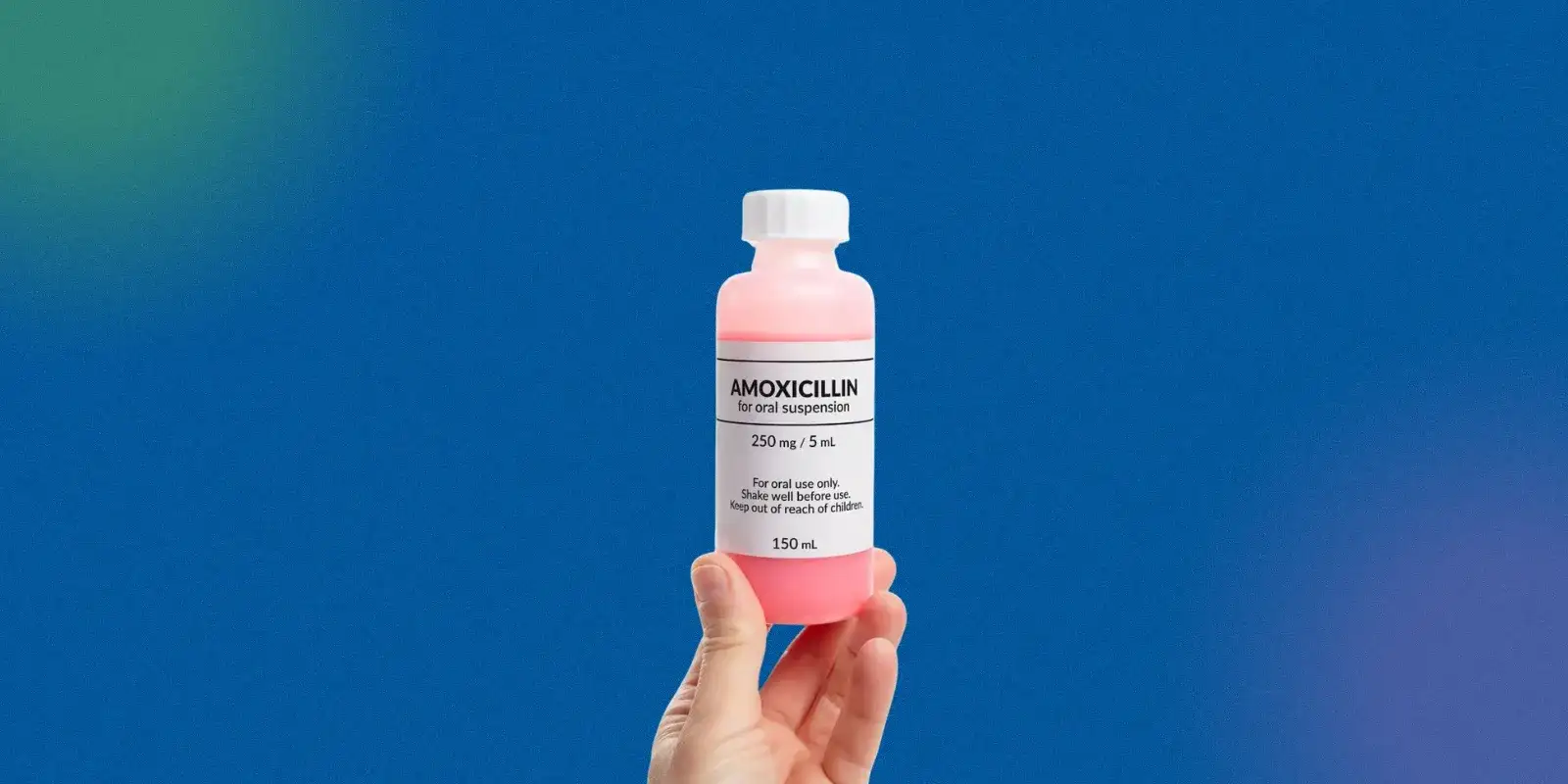
Parents should shake the Amoxicillin oral suspension IP or Amoxicillin drops well before use, measure the dose with the provided dosing spoon, and administer it at the prescribed time. Missing doses or stopping too early can cause bacteria to survive and lead to resistance.
How to Take Amoxicillin Oral Suspension Properly
Amoxicillin injection (injectable amoxicillin) may also be necessary when infection is severe or oral administration of medication is impossible in a patient. Such a form is common in a hospital under such conditions as sepsis, meningitis, or severe pneumonia. It makes the antibiotic get into the bloodstream quicker.

How to Take Amoxicillin Oral Suspension Properly
When using the liquid form, always:
- Shake the bottle well before each dose.
- Measure the medicine using a proper syringe or spoon.
- Store it as directed; some suspensions may require refrigeration.
Amoxicillin Dose Variations: 250 mg vs 500 mg Tablets
- Amoxicillin 250 mg is usually given for milder infections or for children who can swallow tablets.
- Amoxicillin 500 mg is reserved for more serious infections in adults.
Amoxicillin Antibiotics Price Overview
Similar to most vital drugs, the cost of the antibiotic Amoxicillin varies according to formulation and brand, as well as the geographical location.
Factors Influencing Amoxicillin Price
- Dosage strength: Higher strengths, like 500 mg tablets, are generally costlier than 250 mg tablets.
- Form: Liquid forms such as amoxicillin oral suspension IP or drops may cost more due to packaging.
- Brand vs generic: Generic versions are usually more affordable than branded ones.
- Pharmacy and location: Prices often differ between cities and rural areas.
Tips for Safe Use of Amoxicillin and Possible Side Effects
Like all antibiotics, Amoxicillin should be used responsibly. Here are some important tips:
- Always follow the doctor’s prescription. Do not stop early, even if symptoms improve.
- Avoid self-medicating. Taking antibiotics without proper medical advice increases the risk of resistance.
- Take with or without food. Amoxicillin can be taken with meals to reduce stomach upset.
Side Effects:
While generally safe, some patients may experience side effects such as:
- Diarrhoea.
- Nausea or vomiting.
- Rash or allergic reaction.
- Rarely, severe reactions require immediate medical attention.
Patients allergic to penicillin must avoid amoxicillin entirely.

FAQ
Amoxicillin tablets are commonly prescribed for bacterial infections, including those of the respiratory tract, ear, throat, urinary tract, skin, and certain dental infections. They are ineffective against viral illnesses like colds or flu.
The amoxicillin pediatric dose depends on age, weight, and infection type. Generally, 20-40 mg/kg daily, divided into multiple doses, is prescribed, but only a doctor should determine the exact safe dosage.
Amoxicillin 250 mg is typically prescribed for mild infections or children, while 500 mg is used for more severe infections in adults. Dosage depends on medical evaluation, severity, and the patient’s weight.
Amoxicillin injection is recommended for serious infections, such as meningitis or sepsis, or when patients cannot take oral medicine. It ensures rapid drug absorption and is usually administered under hospital supervision.
Shake the bottle well before use, measure doses with a calibrated spoon or syringe, give at prescribed intervals, and store as directed, often under refrigeration. Complete the full course.
Amoxicillin drops should be measured accurately with a dropper, given at exact intervals, and never mixed with hot liquids. Parents must follow the doctor’s prescription for safe paediatric administration.
The amoxicillin antibiotic price varies by brand, form, and region. Generally, it remains affordable in India, with tablets, suspensions, and drops widely available at pharmacies across rural and urban areas.
The price for amoxicillin 500 mg tablets depends on brand and packaging. On average, it ranges between ₹80 and ₹150 for a strip in India, though generic versions are usually cheaper.
Join our wellness community
Have a question or an experience to share? Join the Wellness Corner discussion on Kofuku Social.
Medical Disclaimer
This article is for information only and is not medical advice. Kofuku content is community-driven and complements, not replaces, professional care. Consult a qualified provider before acting on any health decision.
Related articles

Universal Blood Donor and Recipient: Myths vs. Facts

Tests for Food Allergies: Why Getting the Right Diagnosis Matters