
Food to Avoid in Piles: What to Eat and What to Skip

Written by Arpan Ghosh


Key Takeaways
- Key Insights
- Food to Limit in Piles
- What About Refined Flour, Spicy Food and Tea or Coffee?
- Foods to Eat in Piles
- How Much Fibre Do You Need?
- Should You Increase Fibre Suddenly?
- A Simple Day of Meals
- What Food to Avoid in Piles If You Are Constipated?
- What Food to Avoid After Piles Surgery?
- Simple Eating Tips for Piles
- When Should You See a Doctor?
- References
- Final Thoughts
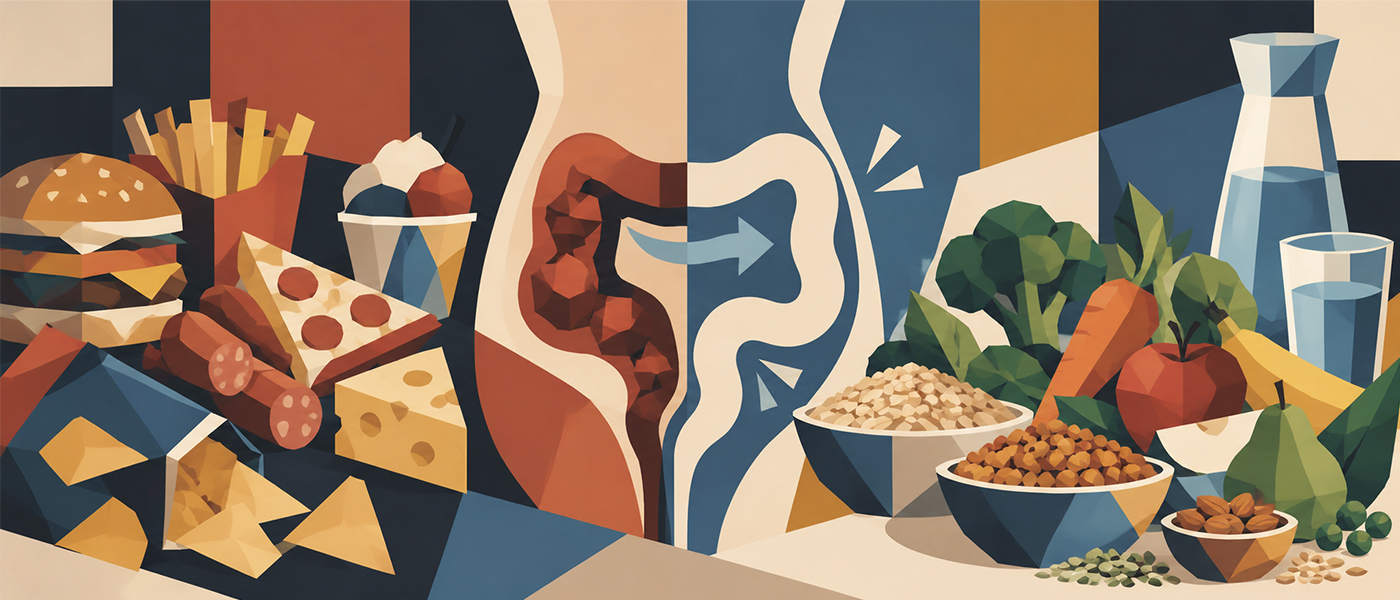
Piles, or haemorrhoids, are swollen veins in and around your anus or lower rectum. Not the best dinner-table topic, but a very common one. You might notice itching, pain, lumps or a little bleeding, and constipation and straining on the toilet often make it worse. [1, 2]
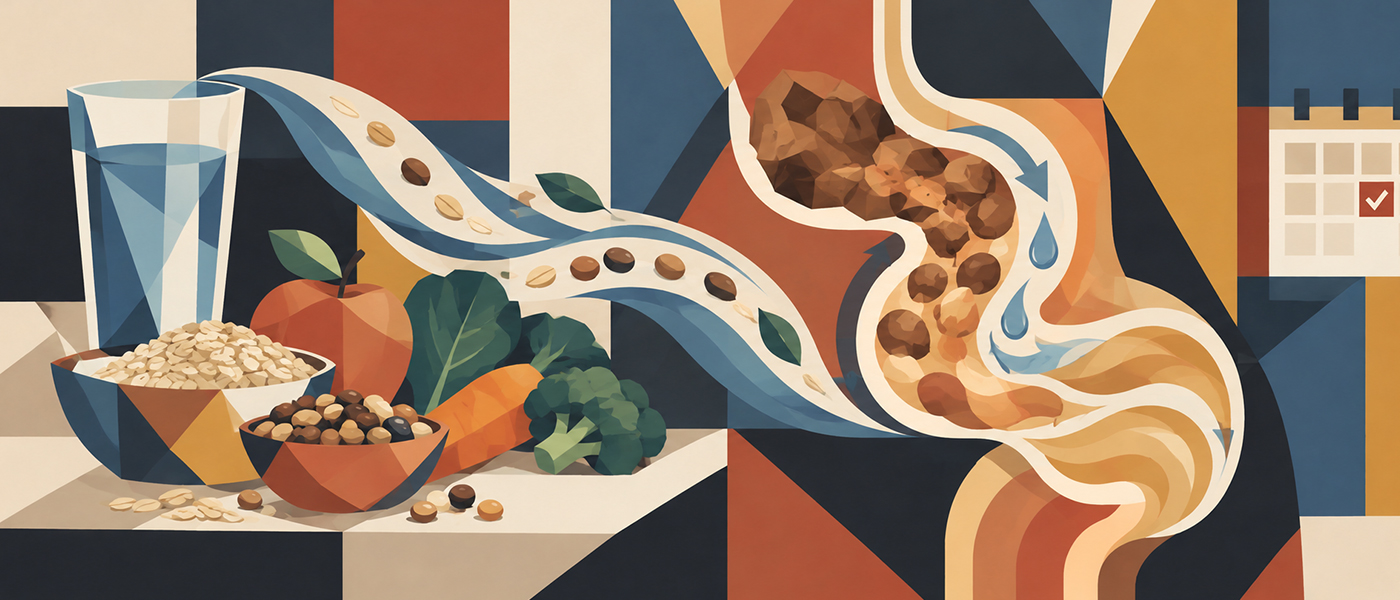
Food won’t cure every case of piles, so don’t expect a miracle from your plate. But if low fibre or constipation is part of your problem, what you eat can really help. Enough fibre and fluids keep your stools soft and easy to pass, so you strain less and give your piles a break. [1, 3]
Key Insights
- There is no single food that everyone with piles needs to avoid. The main dietary focus is getting enough fibre and fluids, especially when constipation contributes to symptoms.
- Limit low-fibre foods such as chips, fast food, processed foods, meat, cheese, ice cream and some prepared foods if constipation is an issue. [3]
- Add more fibre-rich foods such as dal, lentils, chickpeas, fruits, vegetables, oats, whole grains, nuts and seeds. [3, 4]
- Increase fibre gradually and drink enough fluids to help your body adjust and support softer stools. [3, 4]
- Do not ignore persistent bleeding. NIDDK recommends medical evaluation if haemorrhoid symptoms continue after one week of home treatment or if you have rectal bleeding. [2]
Food to Limit in Piles
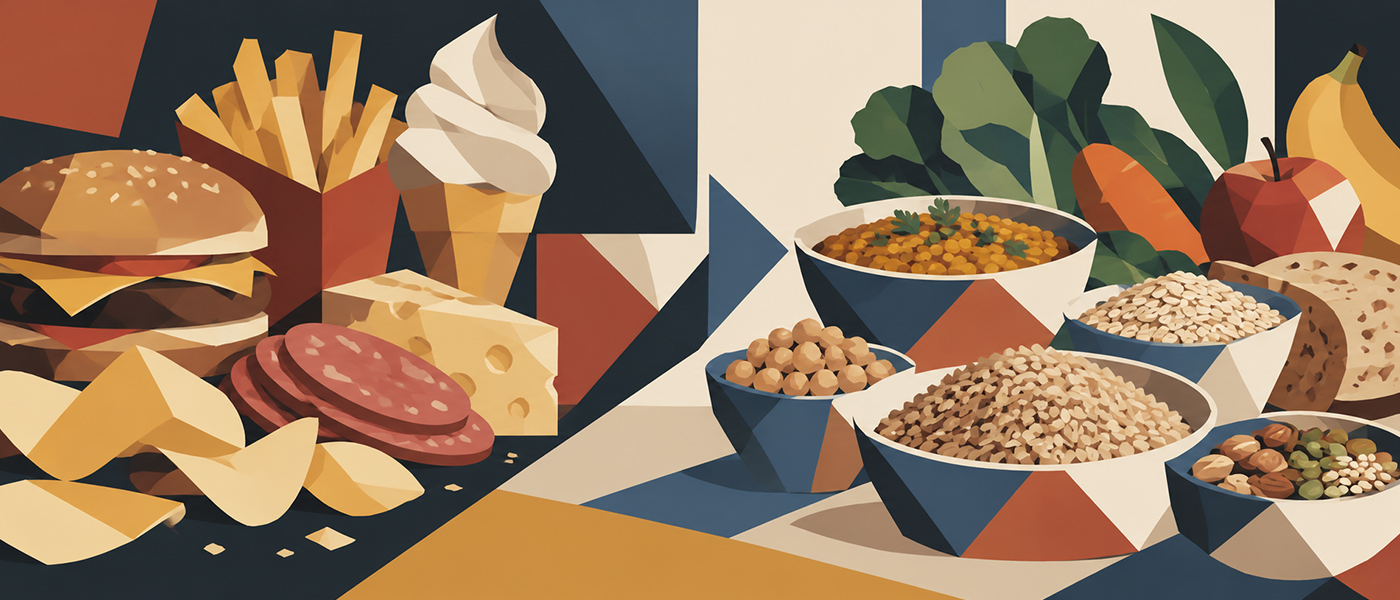
If constipation is behind your piles, foods low in fibre won’t help. NIDDK suggests going easy on these when chronic constipation is the cause: [3]
- Cheese
- Chips and packaged snacks
- Fast food
- Ice cream
- Meat
- Prepared foods, including some frozen and snack foods
- Processed foods, like hot dogs and some microwavable meals
You don’t have to say goodbye to them forever. Just don’t let them run your whole plate. Swap a few for fibre-rich options, and your bowels will thank you.
What About Refined Flour, Spicy Food and Tea or Coffee?
Refined flour, spicy food, tea and coffee turn up on almost every “foods to avoid” list for piles, but you don’t have to give them all up. Whole grains carry more fibre than refined ones, and a low-fibre diet is linked to piles, so swapping them in can help, especially if you’re constipated. [1, 4]
Spicy food can sting when you’re already sore, so if something clearly sets you off, ease up. Beyond that, drinking enough fluids and eating plenty of fibre matter far more than any single food.
Foods to Eat in Piles
If you have piles, build your meals around fibre without losing balance. NIDDK recommends high-fibre foods because they make stools softer and easier to pass, and fluids help the fibre do its job. [3]
Some useful options include:
Dal, Lentils and Chickpeas
Dal, lentils, chickpeas and other legumes are good sources of dietary fibre. They can be added to everyday meals without requiring major changes to your diet. [4]
Oats and Whole Grains
Oats, whole-grain breads and other whole-grain foods can help increase your fibre intake. Whole grains can be a practical alternative to refined-grain foods. [4]
Brown Rice and Other Whole Grains
Brown rice and other whole-grain options can add fibre to regular meals. You can gradually replace refined grains with whole-grain alternatives depending on what suits your usual diet. [4]
Vegetables
Vegetables such as carrots, broccoli and green peas can contribute fibre to your daily intake. Adding vegetables to lunch and dinner is one simple way to increase the fibre content of your meals. [3, 4]
Fruits
Fruits such as apples, bananas, pears and tangerines can also contribute dietary fibre. [4]
Whole-Grain Bread and Pasta
Switching from refined bread or pasta to whole-grain versions can be another simple way to increase fibre intake. [4]
Nuts and Seeds
Nuts and seeds can also contribute fibre and can be added to meals or eaten as a snack. [4]
How Much Fibre Do You Need?
NIDDK notes that the Dietary Guidelines for Americans recommend 14 grams of fibre per 1,000 calories consumed. For someone following a 2,000-calorie diet, that works out to around 28 grams of fibre per day. [3]
Your individual requirement may differ depending on your age, health and dietary needs. If you are unsure how much fibre you need, a doctor or dietitian can help you plan your intake.
Should You Increase Fibre Suddenly?
Not necessarily.
If your current diet is low in fibre, increasing your intake too quickly can cause digestive discomfort. A gradual increase gives your body time to adjust.
It is also important to drink enough fluids. NIDDK notes that water and other liquids can help fibre work better and make stools softer and easier to pass. [3, 4]
A Simple Day of Meals
You do not need to change your usual diet to include more fibre completely. Small swaps can make your meals more fibre-friendly.
Breakfast: Oats with fruit and nuts
Mid-morning: A whole fruit such as an apple or banana
Lunch: Dal, vegetables and brown rice or whole-grain roti
Evening snack: Roasted chickpeas or a handful of nuts
Dinner: Vegetable curry with dal and whole-grain roti
The exact foods and portions can vary based on your dietary needs, preferences and overall health.
What Food to Avoid in Piles If You Are Constipated?
Constipation is worth addressing because straining during bowel movements is associated with piles. [1, 2]
You don’t need a diet overhaul, just a few small swaps:
For example:
- Replace some packaged snacks with fruit or nuts.
- Choose dal, lentils or chickpeas more often.
- Swap refined grains for whole-grain alternatives where practical.
- Add vegetables to your main meals.
- Drink enough fluids throughout the day.
- Increase fibre gradually rather than making a sudden change.
What Food to Avoid After Piles Surgery?
After piles surgery, what you should eat depends on the procedure and how you’re healing, so your surgeon’s instructions come first, not a generic list from the internet. In general, the aim is to keep your stools soft and avoid straining. If you have significant pain, bleeding or trouble passing stools, call your doctor.
Simple Eating Tips for Piles
A few everyday habits can make it easier to maintain a fibre-rich diet:
- Add fibre-rich foods to your meals gradually.
- Include fruits and vegetables throughout the day.
- Choose whole grains where possible.
- Include legumes such as dal, lentils and chickpeas.
- Keep water and other suitable fluids part of your daily routine.
- Avoid relying heavily on foods with little or no fibre.
- Pay attention to how your body responds to specific foods.
The aim is not to follow a restrictive diet. It is to create eating habits that support softer, easier-to-pass stools.
When Should You See a Doctor?
Dietary changes may help when constipation or a low-fibre diet is contributing to piles, but they should not replace medical evaluation when symptoms persist.
NIDDK recommends seeing a doctor if your symptoms continue after one week of at-home treatment or if you have rectal bleeding. [2]
Rectal bleeding should not automatically be assumed to be caused by piles because other digestive conditions can cause similar symptoms. [2]
Seek medical care right away if you have severe anal pain and bleeding from the rectum, particularly if you also have abdominal discomfort or pain, diarrhoea or fever. [5]
References
[1] National Institute of Diabetes and Digestive and Kidney Diseases (NIDDK). Definition & Facts of Hemorrhoids. https://www.niddk.nih.gov/health-information/digestive-diseases/hemorrhoids/definition-facts
[2] National Institute of Diabetes and Digestive and Kidney Diseases (NIDDK). Symptoms & Causes of Hemorrhoids. https://www.niddk.nih.gov/health-information/digestive-diseases/hemorrhoids/symptoms-causes
[3] National Institute of Diabetes and Digestive and Kidney Diseases (NIDDK). Eating, Diet, & Nutrition for Hemorrhoids. https://www.niddk.nih.gov/health-information/digestive-diseases/hemorrhoids/eating-diet-nutrition
[4] MedlinePlus. High-fiber foods. https://medlineplus.gov/ency/patientinstructions/000193.htm
[5] National Institute of Diabetes and Digestive and Kidney Diseases (NIDDK). Treatment of Hemorrhoids. https://www.niddk.nih.gov/health-information/digestive-diseases/hemorrhoids/treatment
Eating for piles doesn’t have to be complicated or strict. Get enough fibre, drink enough fluids, and don’t let low-fibre foods take over your plate. If constipation is part of the problem, that should make your stools softer and easier to pass. But if symptoms stick around or you see rectal bleeding, don’t try to fix it with food alone. See a doctor.
FAQ
Spicy foods are often included in online lists of foods to avoid during piles, but they are not part of NIDDK's specific list of low-fibre foods to limit when chronic constipation is contributing to haemorrhoids. [3]
If spicy foods make your symptoms feel worse, reducing them may be reasonable. However, getting enough fibre and fluids is a more important part of dietary management.
NIDDK notes a general recommendation of 14 grams of fibre per 1,000 calories consumed. For a 2,000-calorie diet, that would be about 28 grams of fibre per day. [3]
Your individual needs may vary, so speak with a doctor or dietitian if you need personalised guidance.
Drinking water and other suitable liquids can help fibre work better and make stools softer and easier to pass. [3]
There is no single amount that applies to everyone. Your fluid needs can depend on factors such as your health, activity level and where you live.
Bananas can be included as part of a fibre-rich diet. MedlinePlus lists bananas among fruits that provide dietary fibre. [4]
However, no single fruit can treat piles on its own. What matters more is your overall fibre intake and bowel habits.
If constipation is behind your piles, go easy on low-fibre foods like cheese, chips, fast food, ice cream, meat, and processed or ready-made meals. [3]
You don’t have to cut them out. Just notice how often they show up on your plate and whether they’re pushing out the fibre-rich stuff.
A piles-friendly diet generally focuses on getting enough fibre and fluids. Good options include dal, lentils, chickpeas, whole grains, vegetables, fruits, nuts and seeds. [3, 4]
If constipation is contributing to your symptoms, limiting foods with little or no fibre may also help. [3]
Join our wellness community
Have a question or an experience to share? Join the Wellness Corner discussion on Kofuku Social.
Medical Disclaimer
This article is for information only and is not medical advice. Kofuku content is community-driven and complements, not replaces, professional care. Consult a qualified provider before acting on any health decision.
Related articles

Universal Blood Donor and Recipient: Myths vs. Facts

Tests for Food Allergies: Why Getting the Right Diagnosis Matters