
Fever and Pyrexia: Why It Happens and How to Manage It

Written by Shubhechhya Mukherjee
Reviewed by Dr. Ananthakrishnan Chandrasekhar, MD


Key Takeaways

Introduction
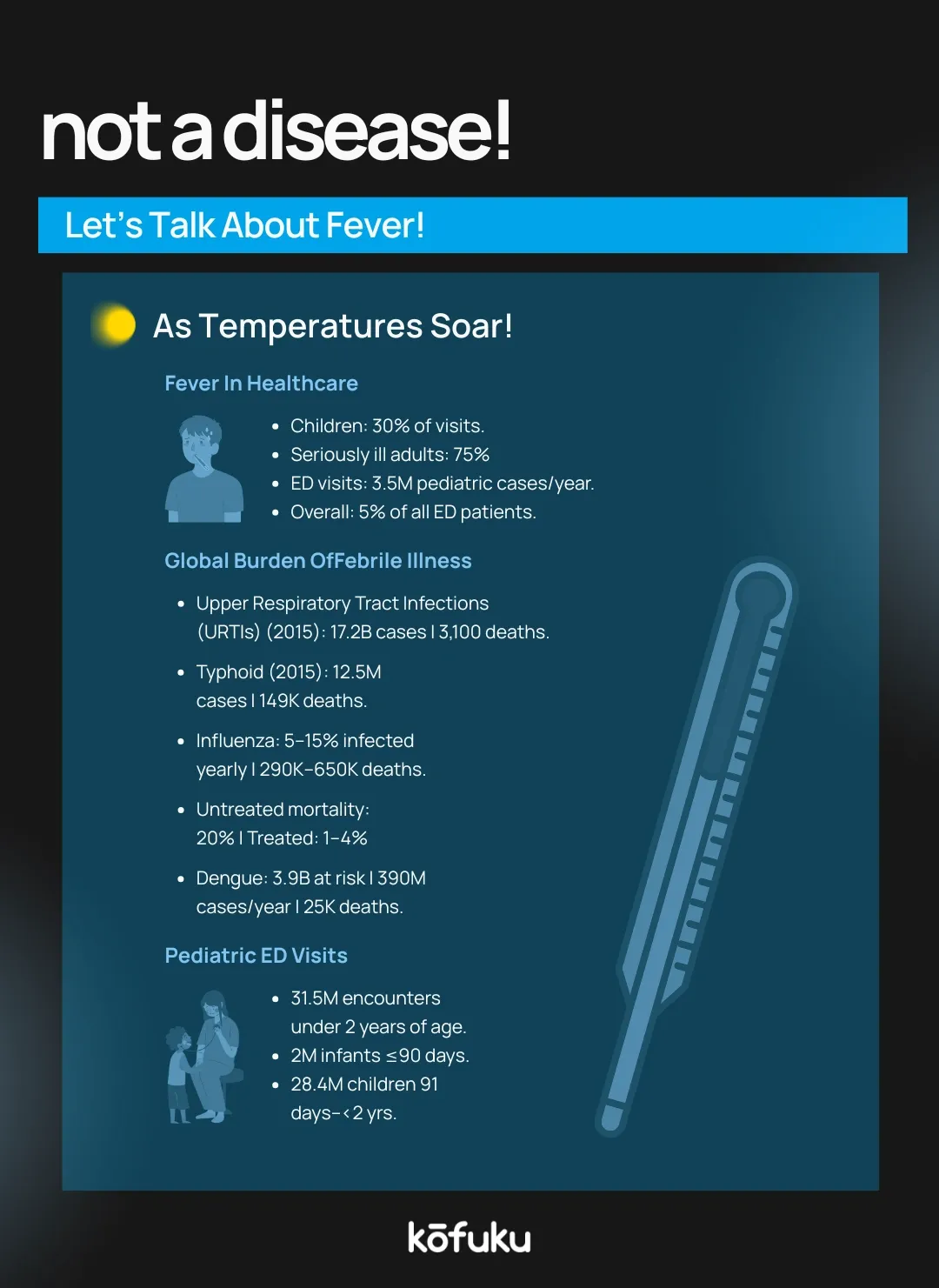
Fever remains one of the most common health issues encountered in India, both in adults and children alike. Known as pyrexia in medical terms, fever is generally considered to be a symptom associated with discomfort and body aches to many, treated with antibiotics.
However, not all fevers need antibiotics. The treatment for pyrexia (fever) largely depends on the cause, which can be viral or bacterial.
To ensure effective treatment, it is vital to know what pyrexia (fever) entails, its causes and effective handling. With this blog, you can understand this as well as bacterial or viral pyrexia treatment, symptoms, and more.
Common Causes of Fever in Adults and Children
Fever is a common occurrence that is medically known as pyrexia disease, and it is a reaction by the body to any infections, inflammation or other systemic factors.
The common causes are:
- Viral infections: Influenza, dengue, and COVID-19 often lead to high-grade fevers lasting several days.
- Bacterial infections: Pneumonia, urinary tract infections, or gastroenteritis may require antibiotic tablets for fever.
- Other causes: Heat stroke, autoimmune conditions, and post-vaccination responses.
Although it is just a symptom, it may be compounded by fever side effects such as fatigue, aches, and headaches. Effective treatment is achieved by getting the underlying cause properly identified.
Viral Fever: Symptoms and Treatment
Viral pyrexia treatment focuses on symptom management rather than eradicating the virus, as antibiotics are ineffective against viruses.
Patients may experience:
- Sudden rise in temperature
- Chills and sweating
- Bodyache and joint pain
- Fatigue and loss of appetite

How Many Days Does Viral Fever Last?
Realising how long a viral fever persists is also vital to keep track of recovery. The length of viral fever usually is 3-7 days, depending on the virus and the immunity of an individual. Mild fever can last up to 10 days in some cases.
Medicine for Viral Fever and Bodyache
Over-the-counter drugs like paracetamol are often prescribed as a relief for bodyache and fever. Certain antiviral therapeutic approaches are possible towards fever, such as:
- Hydration and rest
- Medicine for fever and body pain, tablet name include paracetamol or ibuprofen
- Cool compresses or tepid sponging
Do not take antibiotic fever drugs unless the type of infection (bacterial or viral) is verified. Unnecessary intake of antibiotics can lead to resistance, making them ineffective against other treatable conditions.
Antibiotics for Fever: What You Should Know
Fever does not always indicate the need for antibiotics. Fever antibiotic tablet use should be guided by laboratory tests and physician evaluation. Misusing antibiotic tablets for fever or antibiotics for fever and cold can harm gut health and contribute to resistance.
Is Paracetamol an Antibiotic?
A common mistake that many people make is believing that paracetamol is an antibiotic. Does paracetamol come in antibiotics? No, paracetamol is a pain-reliever and a febrile-reducer that helps to lower fever and pain, yet does not cure bacterial infections.
Injection Name for Fever Relief
In severe cases, where the oral medicines cannot be tolerated, doctors may prescribe an injection to reduce of fever. Note: Common ones injection names for it include intravenous paracetamol or antipyretic formulations which should be administered under medical supervision only.
Nursing Care Plan for Fever Management
Structured care routines are usually essential in the management of the disease and pyrexia. Some of the nursing care plan considerations for fever are assessment, monitoring, and comfort measures.
Clinical Observation and Monitoring
- Regularly monitor axillary temperature or oral or rectal readings
- Observe for complications such as dehydration or persistent high fever
- Track symptom progression, noting how long viral fever lasts
Patient Comfort Measures
- Ensure adequate hydration and nutrition
- Encourage rest and minimise physical exertion
- Use antipyretics like paracetamol as per dosage guidelines
- Apply cool compresses to manage body temperature
Having a structured plan for fever care results in a decreased recovery period and lowered complication rates.

Fever Medicines Commonly Prescribed
Physicians may prescribe various medications depending on the fever type and associated symptoms. Common options include:
- Paracetamol drug test-approved tablets for fever and bodyache
- Antibiotic tablet for fever if bacterial infection is suspected
- Medicine for fever and body pain tablet tailored for comfort and recovery
- Supportive medications like antihistamines or antivirals, if indicated
Home Remedies to Support Fever Recovery
Alongside medication, several home practices enhance recovery from suffering pyrexia (fever):
- Hydration: Water, coconut water, and electrolyte solutions
- Light meals: Easily digestible foods like porridge, soups, and fruits
- Rest: Limit physical activity and ensure uninterrupted sleep
- Cool environment: Use fans or light clothing to prevent overheating
Although they do not substitute medical treatment, they assist in bacterial or viral pyrexia treatment and in general recovery. If your symptoms persist, consult your doctor immediately.
FAQ
Viral pyrexia treatment focuses on symptom relief. At home, hydration, rest, and paracetamol help reduce fever and bodyache. Hospitals may provide IV fluids, monitoring, and supportive care; antibiotics are generally unnecessary unless bacterial infection is suspected.
On average, viral fever lasts for 3–7 days, depending on the type of virus and individual immunity. Mild cases may resolve in a few days, while severe infections can persist up to 10 days, especially in children or immunocompromised adults.
Popular medicine for fever and body pain tablet names are paracetamol or ibuprofen. These medications reduce pain, lower body temperature, and improve comfort, while hydration and rest support faster recovery without unnecessary antibiotic use.
The most common antibiotic tablet for fever is amoxicillin or azithromycin, prescribed only if bacterial infection is confirmed. Viral fevers do not require antibiotics, and misuse can lead to resistance and other side effects.
Antibiotic fever refers to a fever caused by bacterial infections requiring antibiotics. Treatment includes prescribed antibiotic tablets for fever, hydration, and supportive care. Viral fevers, however, do not respond to antibiotics and are managed symptomatically.
Paracetamol is a pain reliever and antipyretic, not an antibiotic. It helps reduce fever and alleviate body aches but does not treat bacterial infections, so it should be used alongside proper medical evaluation when needed.
A sample nursing care plan for fever includes monitoring temperature, assessing symptoms, ensuring hydration and nutrition, administering antipyretics, promoting rest, and recording progress. These structured fever care plans aid recovery and prevent complications.
Yes, medications like paracetamol or ibuprofen act as both antipyretics and analgesics, effectively reducing fever and relieving bodyache. However, severe cases may require additional supportive care.
Common injection names for fever options include intravenous paracetamol and other antipyretic formulations administered under supervision. These are used when oral tablets are unsuitable or rapid fever reduction is needed.
Viral fever lasts 3-7 days on average. Children may experience slightly longer or higher-grade fevers, whereas adults often recover faster. Recovery depends on immunity, hydration, rest, and symptom management, not antibiotics.
Join our wellness community
Have a question or an experience to share? Join the Contagion discussion on Kofuku Social.
Medical Disclaimer
This article is for information only and is not medical advice. Kofuku content is community-driven and complements, not replaces, professional care. Consult a qualified provider before acting on any health decision.
Related articles
Dengue vs. Zika: Key Differences and Prevention Tips

Understanding Rabies Vaccine Intramuscular Route for Dog Bites