
Diaper Rash in Newborns and Infants: Causes and Symptoms Explained

Written by Arpan Ghosh


Key Takeaways
- Introduction
- Common Causes of Diaper Rash and Powder Rashes
- Signs and Symptoms of Napkin Rash and Diaper Rash in Babies
- Best Creams for Diaper Rash: Choosing the Right Napkin Rash Cream for Newborns and Infants
- How to Prevent Diaper Rash and Keep Your Baby Comfortable
- When to See a Doctor for Diaper Rash
- FAQs

Introduction
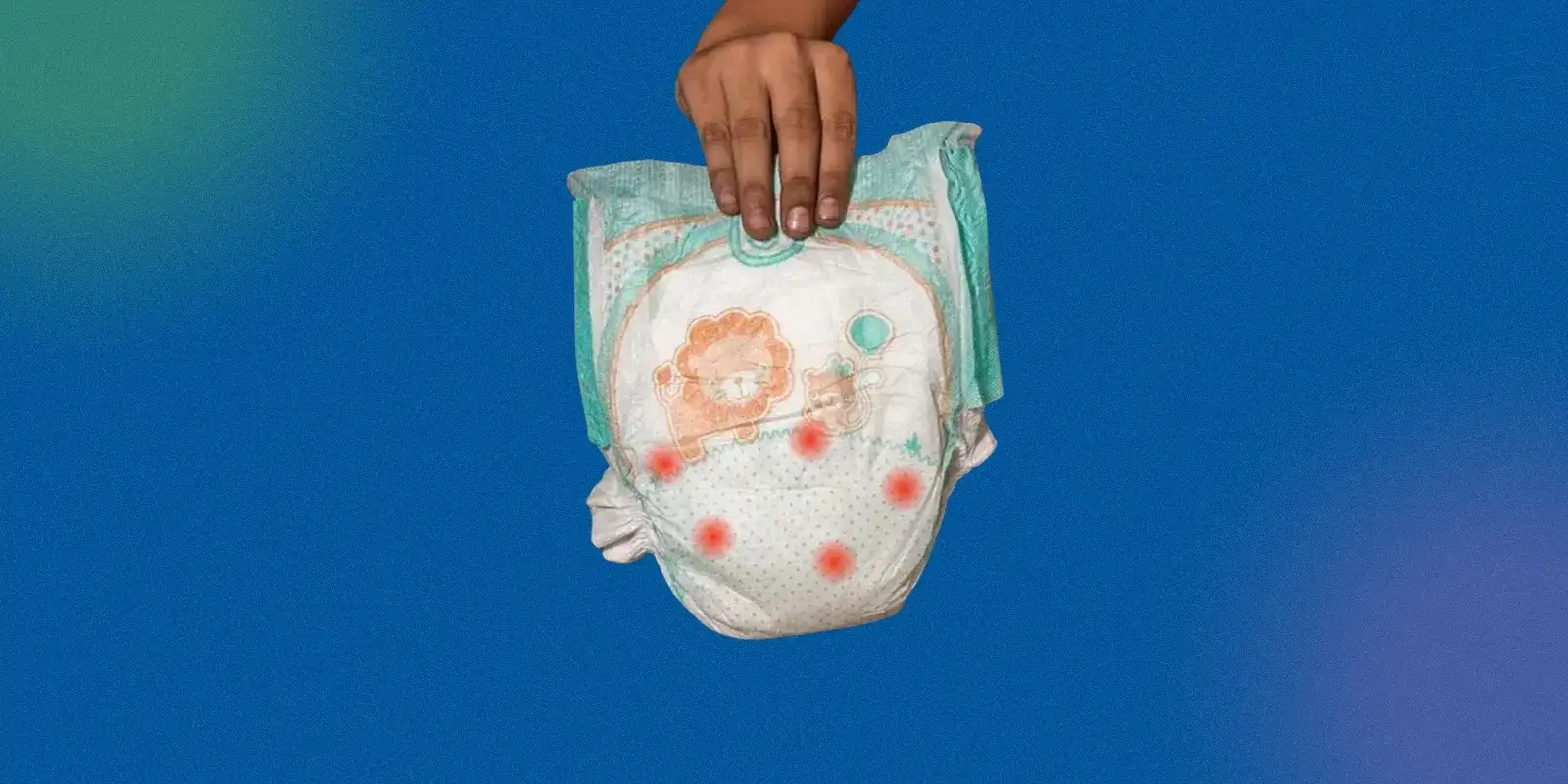
Diaper rash, also known as napkin dermatitis, is one of the most common skin problems in infants. It appears as redness, irritation or inflammation in the diaper area and may range from mild discomfort to more severe rashes that require medical attention.
Although usually not serious, diaper rash can cause significant distress to both babies and parents if left untreated. Understanding its causes, types and preventive measures is essential for effective management and ensuring the baby’s comfort.
Common Causes of Diaper Rash and Powder Rashes
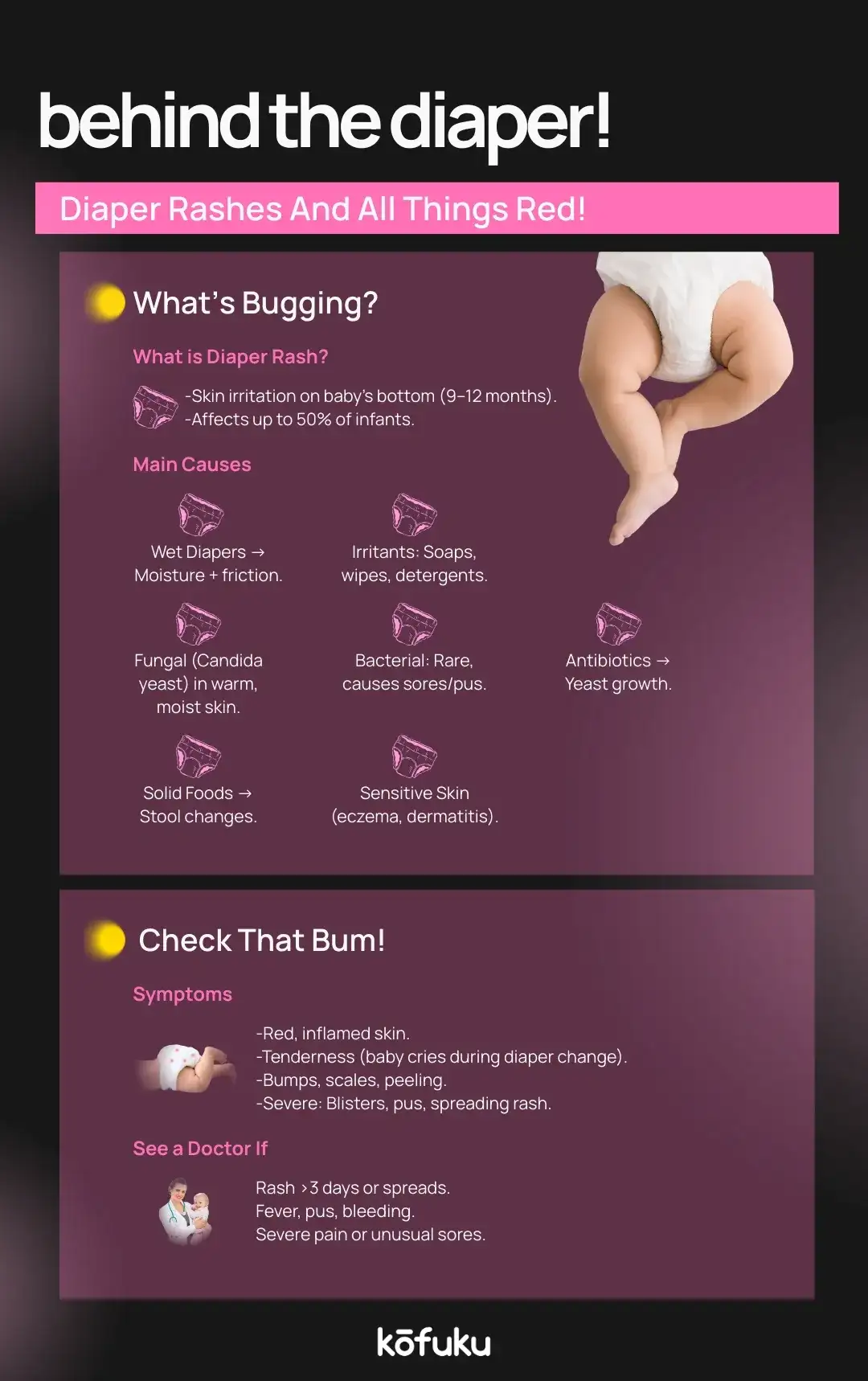
When a baby's delicate skin is subjected to discomfort for extended periods of time, diaper rash, also known as napkin rash, develops. Typical reasons include:
-
Moisture and prolonged wetness: When a diaper isn’t changed quickly, urine and stool create friction and irritation.
-
Powder rashes: Excessive talcum powder or corn starch can clump and rub against the baby’s skin, causing rashes.
-
Sensitive skin reactions: Some babies react to fragranced wipes, soaps, or detergents used to wash cloth nappies.
-
Fungal or bacterial growth: A warm, damp diaper area is ideal for yeast and bacteria.
-
Introduction of solid foods: Changes in stool consistency after introducing solids may trigger rashes.When a baby's delicate skin is subjected to discomfort for extended periods of time, diaper rash, also known as napkin rash, develops. Typical reasons include:
-
Moisture and prolonged wetness: When a diaper isn’t changed quickly, urine and stool create friction and irritation.
-
Powder rashes: Excessive talcum powder or corn starch can clump and rub against the baby’s skin, causing rashes.
-
Sensitive skin reactions: Some babies react to fragranced wipes, soaps, or detergents used to wash cloth nappies.
-
Fungal or bacterial growth: A warm, damp diaper area is ideal for yeast and bacteria.
-
Introduction of solid foods: Changes in stool consistency after introducing solids may trigger rashes.
-
Antibiotics: When babies are put on antibiotics, it can disrupt the natural balance of bacteria and yeast, increasing the risk of diaper rashes.
-
Antibiotics: When babies are put on antibiotics, it can disrupt the natural balance of bacteria and yeast, increasing the risk of diaper rashes.
Signs and Symptoms of Napkin Rash and Diaper Rash in Babies
Diaper rashes are usually easy to identify. Early signs of napkin rash include:
- Redness or pink patches on the diaper area
- Warm or inflamed skin
- Raised bumps or small pimples
- Crying or discomfort during diaper changes
- Skin peeling or scaling in severe cases
Best Creams for Diaper Rash: Choosing the Right Napkin Rash Cream for Newborns and Infants
Parents frequently ponder which diaper rash cream is best for their infant or which is the safest. Here are some things to look for among the plethora of possibilities available:
- Zinc oxide-based creams: Create a protective layer, reducing skin contact with moisture.
- Petroleum jelly ointments: Provide a smooth, protective film for irritated skin.
- Natural ingredient creams: Containing aloe vera, shea butter, or calendula for gentle healing.
- Fragrance-free and hypoallergenic: To avoid triggering further irritation.
Newborn diaper rash cream, infant diaper rash cream, and specially made newborn diaper rash cream are some of the best options.
How to Use Rash Creams for Newborns Safely and Effectively
To get the best results from a rash cream for newborns, parents should:
- Gently clean the diaper area with lukewarm water or fragrance-free wipes.
- Pat dry to avoid further irritation.
- Apply a thin layer of diaper rash cream or newborn or nappy rash cream.
- Change diapers frequently and ensure the area is dry before reapplication.
Using the best infant rash cream regularly speeds up recovery and lessens discomfort.
Diaper Rash Creams vs. Powder: Which is Better for Your Baby?
To avoid rashes, some Indian families continue to use baby powders or talcum. However, when tiny particles clump together and create friction, powder rashes are frequently the result. In general, creams are more effective and safer because they:
- Form a protective barrier
- Hydrate the skin
- They are less likely to cause inhalation risks for infants.
Infant Diaper Rash Creams: What Makes Them Different?
Infant diaper rash creams are formulated for babies under one year. They typically:
- Contain higher concentrations of zinc oxide for fast relief
- Avoid harsh preservatives and fragrances
- Provide gentle care suitable for newborns’ delicate skin
How to Prevent Diaper Rash and Keep Your Baby Comfortable
While creams help manage symptoms, prevention is always better. Here are practical tips:
-
Frequent diaper changes: Change every 2-3 hours or as soon as it’s soiled.
-
Gentle cleaning: Use water or alcohol-free wipes.
-
Air time: Leave your baby without a diaper for short periods to let the skin breathe.
-
Right fit: Use diapers that are snug but not too tight.
-
Barrier cream use: Apply a thin layer of nappy rash cream regularly, even before a rash develops.
-
Avoid irritants: Skip fragranced detergents or harsh soaps for washing cloth nappies.

When to See a Doctor for Diaper Rash
Not all rashes can be managed at home. Parents should consult a doctor if:
- The rash does not improve after 3-4 days of using the best diaper rash cream.
- Blisters, pus-filled bumps, or open sores appear.
- The baby has a fever alongside the rash.
- The rash spreads to other parts of the body.
FAQ
The best cream for napkin rash in newborns is a zinc oxide-based, fragrance-free formula. It forms a protective barrier, soothes irritation and heals delicate skin safely.
Yes, diaper rash cream can be used daily. Applying a thin protective layer during every diaper change helps prevent irritation and protects newborn skin from wetness and friction.
Choose a fragrance-free, hypoallergenic cream with zinc oxide or petroleum jelly. Ensure it’s dermatologist-tested and suitable for newborns’ sensitive skin.
Cream is better than powder for nappy rash because it protects skin, prevents friction, and maintains moisture balance. Powders can clump, irritate skin, and pose inhalation risks.
Apply diaper rash cream during every diaper change, especially after cleaning and drying the skin. Regular application ensures consistent protection and reduces the risk of rashes.
Powder rashes occur when baby powder clumps on moist skin, causing friction and irritation. Treatment involves gentle cleansing, air-drying and switching to a safe diaper rash cream.
Yes, most diaper rash creams designed for newborns are safe. Always choose paediatric-recommended, hypoallergenic creams and test a small patch before regular use to avoid irritation.
Rarely, some babies may react to ingredients, causing redness or worsening rash. Always choose gentle, fragrance-free creams and discontinue use if irritation occurs, seeking medical advice promptly.
If a diaper rash persists beyond 3-4 days despite using cream, consult a paediatrician. It may be fungal or bacterial, requiring medicated ointments for effective treatment.
Join our wellness community
Have a question or an experience to share? Join the Parenting discussion on Kofuku Social.
Medical Disclaimer
This article is for information only and is not medical advice. Kofuku content is community-driven and complements, not replaces, professional care. Consult a qualified provider before acting on any health decision.
Related articles

Postpartum Depression During a Pandemic: Recognising Symptoms and Seeking Treatment

Infant and Toddler Health: Why Supplements Like Vitamin D and Calcium Are Important