Postpartum Depression During a Pandemic: Recognising Symptoms and Seeking Treatment

Written by Shruti Thapa
Reviewed by Dr. Pankaj Sharma, MD


Key Takeaways

Introduction
For any new parent, caring for a baby is an all-consuming job. When the pandemic hit, the necessary isolation and cut-off support networks transformed this demanding period into a profound mental health crisis. Many parents were left alone, struggling not just with typical exhaustion but with an unbearable, escalating emotional weight.
While feeling tired, stressed, and overwhelmed is common in the early weeks, if the intense emotional distress and a feeling of emptiness persist beyond two weeks, it signals the potential onset of Postpartum Depression (PPD).
This guide provides an urgent, actionable roadmap to help you understand the difference, empowering you to recognize the critical symptoms and immediately access the necessary treatment.
Understanding Common Postpartum Depression Symptoms
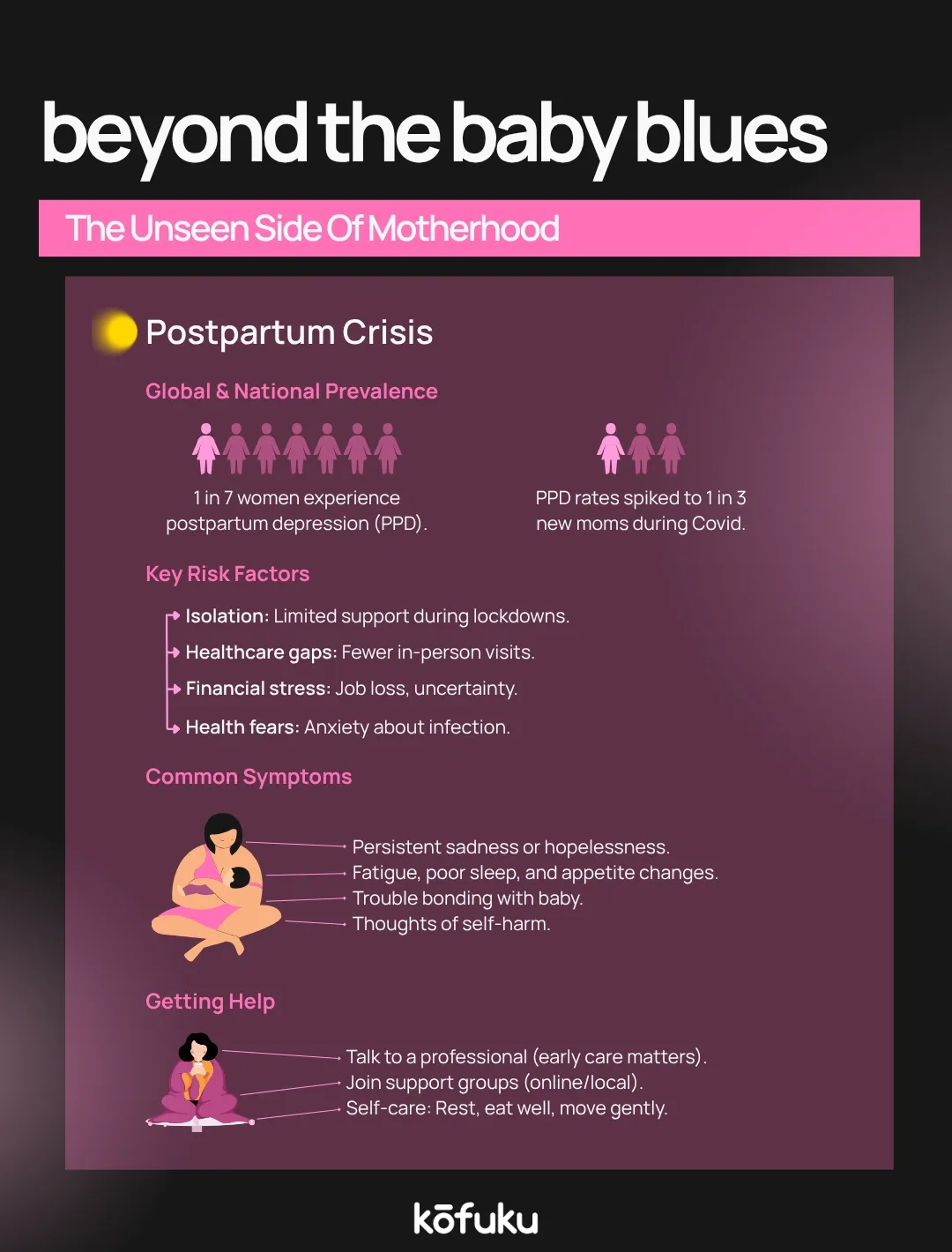
Common issues include persistent sadness, irritability, guilt, disinterest in everyday activities, changes in appetite, difficulty bonding with the baby, and sleep issues unrelated to caring for the baby.
Some mothers experience anxiety as well, described as new mom anxiety, with racing thoughts, excessive worry about the baby’s safety, and a sense of being on edge.
In the worst cases, mothers have persistent helplessness and may experience intrusive thoughts. Postpartum depression differs greatly from baby blues, which resolve in a few days.
In most cases, PPD needs professional intervention and the sooner the signs are recognised, the effective the treatment.
Effects of Isolation and Pandemic Stress on Postpartum Mental Health
Pandemic-related restrictions created unique emotional challenges for new parents. Lowered hospital visitations, limited family support, and the fear of infection isolated many mothers right when they needed care the most.
This period of isolation increased anxiety and stress, which took a toll on the emotional and mental state of a new mother and made coping with isolation more difficult. Sleep disruption further exacerbated feelings of stress and anxiety.
Though digital communication served as a replacement for primary support systems, the care and attention provided through shared caregiving responsibilities were greatly missed.
It is not uncommon to feel guilt and inadequacy when comparing on social media. This was more common during the lockdowns.

Effective Postpartum Depression Treatment Options During a Pandemic
Though getting in-person therapy and doctor consultation was difficult, some options include:
- Telehealth and Online Counselling:
In India, many clinicians, including psychologists, psychiatrists, and counsellors, offer virtual consultations. Online therapy helped overcome the hesitation some mothers had while seeking in-person treatment.
- Medication and Medical Support:
In case of more severe depression, a doctor may prescribe antidepressants. It is crucial to discuss this with a doctor first, especially in case the mother is breastfeeding.
- Support Groups:
Participating in online forums or virtual postpartum support groups offers mothers an opportunity to exchange experiences and gain valuable insights on managing postpartum depression from those going through similar issues.
- Involvement of Partners and Family:
Having partners equally share caregiving and the emotional workload helps in the healing process and lightens the load on mothers.
Mental and physical self-care after giving birth is crucial. Healing requires asking for help, establishing predictable and realistic routines, and maintaining emotional equilibrium.
Self-care doesn’t have to be complicated, here are some easy tips:
- Rest when possible:
Being exhausted makes anxiety and mood fluctuations worse. You can get rest when the baby is napping, and don’t be ashamed to pass on some duties.
- Eating balanced meals:
Foods rich in iron and omega-3s help to stabilise energy and moods.
- Engaging in light exercise:
Gentle stretches, postpartum yoga, and walking will help you to stabilise and relax your emotions.
- Practising mindfulness:
Deep breathing and meditation are effective in easing the anxiety of new mothers while increasing focus.
- Socialising:
Even video calls with family help reduce feelings of isolation.
Mental and physical self-care after giving birth is crucial. Healing requires asking for help, establishing predictable and realistic routines, and maintaining emotional equilibrium.
Self-care doesn’t have to be complicated, here are some easy tips:
- Rest when possible:
Being exhausted makes anxiety and mood fluctuations worse. You can get rest when the baby is napping, and don’t be ashamed to pass on some duties.
- Eating balanced meals:
Foods rich in iron and omega-3s help to stabilise energy and moods.
- Engaging in light exercise:
Gentle stretches, postpartum yoga, and walking will help you to stabilise and relax your emotions.
- Practising mindfulness:
Deep breathing and meditation are effective in easing the anxiety of new mothers while increasing focus.
- Socialising:
Even video calls with family help reduce feelings of isolation.
New parent depression can affect mothers and fathers alike after the birth of a child. Feelings associated with being neglected, anxiety, and over-responsibility can occur in fathers, too.
Identifying early signs of conditions, such as fatigue, irritability, emotional numbness, and hopelessness, enables families to manage the situation early. Encourage conversation and do emotional check-ins regularly.

Postnatal Care Advice that Supports Mental and Physical Recovery
Holistic postnatal care will include nurturing the emotional aspect of healing alongside the physical recovery. While healing after delivery can take time, mental rest is often sidelined.
Key recommendations include:
-
Attend regular check-ups: Post delivery, schedule assessments that include both physical and emotional health. Speak to your doctor about any mood changes that seem to hang on.
-
Create a support network: Whether family, friends, or hired help, everyone can help lessen daily stressors and provide respite time for mothers.
-
Avoid self-blame: Having emotional setbacks and changes is entirely normal and a part of the postpartum journey. Acknowledging and accepting these changes will help you build emotional resilience.
-
Include your partner: Shared responsibility will promote bonding and prevent emotional burnout for both parents.
FAQ
Persistent sadness, mood swings, loss of interest, fatigue, sleep or appetite changes, and difficulty bonding with the baby are signs. Seek help if these persist for more than 2 weeks.
Access therapy through telehealth services, online counselling, or hospital referrals. Medication may be prescribed under medical supervision if necessary. Early consultation is key.
Prioritise rest, balanced meals, light exercise, mindfulness, and social support. Accept help from others and schedule time for relaxation and emotional reflection.
Stay connected virtually, talk openly about your feelings, practise breathing exercises, and focus on small daily routines that create stability and calm.
If sadness, anxiety, or fatigue persist for more than two weeks or interfere with functioning, consult a mental health professional immediately.
Regular check-ups, emotional screenings, and support from family and healthcare professionals strengthen both mental and physical recovery after childbirth.
Join our wellness community
Have a question or an experience to share? Join the Parenting discussion on Kofuku Social.
Medical Disclaimer
This article is for information only and is not medical advice. Kofuku content is community-driven and complements, not replaces, professional care. Consult a qualified provider before acting on any health decision.
Related articles

Diaper Rash in Newborns and Infants: Causes and Symptoms Explained

Infant and Toddler Health: Why Supplements Like Vitamin D and Calcium Are Important